To read Part I of this interview with Five Star Senior Editor Deni Dietz, scroll down to yesterday’s post and voila, there it is.
CIR: Deni, what does Five Star expect from an author regarding book promotion? Website? Blog? Social media? Book signings? Conferences and conventions?
Deni: Yes.
Seriously, once again I can only give you my opinion. Website, absolutely. Blog, optional. Social media, definitely—if you don’t spend your whole life there and you aren’t too blatant in your PR efforts. Book signings are iffy. Alana White, author of The Sign of the Weeping Virgin, has had incredibly successful signings while other authors have sat alone, a brave smile on their faces. Here’s one piece of advice: Never have a signing in Denver on a Sunday when the Broncos are playing football!
Personally, as an author I enhanced my reputation and increased my fan base by attending conferences (I give good panel), but when it comes to selling copies of your books, it’s not cost-effective unless you are up for an award. Several Five Star authors have been short-listed for the Agatha and the Left Coast Crime’s “Lefty” (including me), and my Mary Ellen Dennis historical, The Landlord’s Black-Eyed Daughter, was nominated for an RT Award. When I travel to a conference I wear dark T-shirts with white lettering. Two of my tees read: BEAT UP A COOKIE and FOOTPRINTS IN THE BUTTER. Just the lettering, not the book’s cover. I’ve never walked through an airport where someone didn’t ask me what my shirt meant, a great opportunity to hand out business cards and/or promo postcards.
May I add that I’ve attended RMFW’s Colorado Gold conferences as an author and an Associate Editor (when Tekno-Books was “packaging” Five Star Mysteries). I’ve picked up such diverse authors as Beth Groundwater, Mike Befeler, Pat Stoltey (thank you, Deni), and more recently, Liesa Malik (her debut novel) and Christine Jorgensen. I’ve always loved Chris’s “voice” and this time she’s written a suspense that literally knocked my socks off. I hope I get invited again, as Senior Editor, especially since I am now taking “pitches” for the Frontier Fiction line.
CIR: As an editor, what plot and/or character do you never want to see again? What would you love to see in the next manuscript you read?
Deni: I’m kind of burned out when it comes to “vampire/werewolf/zombie” books (unless they blow me away). I love history-mysteries. I don’t mind present tense if it’s “invisible.” That said, I’m not looking for a good book. I’m looking for a good voice. I can edit a book. I can’t edit a voice.
CIR: Deni, you are an author as well as an editor. Do those roles sometimes conflict?
Deni: To be perfectly honest, yes. But that’s because there are only so many hours in a day (and night), and as an author I have deadlines. Recently, I allowed myself 5 hours of sleep a night in order to write a 6,000-word story for a pet anthology. It’s called Annie and the Grateful Dead, told from a cat’s POV. The cat’s name is Grateful Dead, though he says, “If I could have named myself, I would have named me Elvis. My great-grandmother lived at Graceland and my mother, Blue Suede Shoes, told me all about Elvis before I was weaned.” Grateful is smart, but almost everything he’s learned has been from watching TV, so you could say he’s a pop-culture cat. By the way, all profits from the anthology will go to the SPCA.
CIR: You’ve written series and standalones, under your own name and under the pseudonym Mary Ellen Dennis (including The Landlord’s Black-eyed Daughter which was inspired by the poem, The Highwayman by Alfred Noyes). Tell us about Fifty Cents for Your Soul and its relationship to your sister’s (Eileen Dietz) as-told-to memoir, Exorcising My Demons: An Actress’ Journey to The Exorcist and Beyond.
Deni: Fifty Cents For Your Soul was inspired by events that occurred during the filming of The Exorcist. My favourite review (of all my books) said, "Frannie Rosen’s voice sounds something like a young Bette Midler if she'd been cast in an episode of Sex and the City directed by Tim Burton." Publishers Weekly said, “Ambitious Hollywood ingénue Frannie Rosen lands a part in a horror movie directed by the celebrated (and reviled) Victor Madison, but gets more than she bargained for in the demonic possession department when a violent and slutty real-life doppelganger takes over her body. The over-the-top, irreverent serving of horror and Hollywood noir in Fifty Cents for Your Soul is something of a departure for Dietz (Footprints in the Butter, etc.), but who can resist a book that opens with ‘The woman who straddled Victor Madison had hiccups?’ ” A third reviewer wrote: “Marilyn Monroe once said, ‘Hollywood is a place where they'll pay you a thousand dollars for a kiss, and fifty cents for your soul,’ and mystery writer Denise Dietz takes that premise and runs with it, producing a swiftly paced and truly scary supernatural novel about Frannie Rosen, an ambitious young actress who finds her soul in jeopardy when she lands a major roll in a celebrated yet sinister director's horror movie."
My sister allowed me to use her Exorcist memories, if I killed off the director, so I did. Eileen played “Sarah” on General Hospital, and she let me use her mental notes for Soap Bubbles—a glitzy mystery about three women affiliated with a soap opera—if I killed off the director, so I did (I set fire to my fictitious TV studio). As a result of the studio fire, a Grand Jury trial transpired—fun to write, especially since I’m a huge fan of Paul Levine, David Rosenfelt and Jodi Picoult. When one of the actresses is blamed for the fire, thus the death of the director, the other two protagonists, both extremely pregnant, set out to find the killer. And in case you were wondering, the answer is yes—one of the sleuths has her baby during the book’s climax. Like the rest of my backlist, Soap Bubbles is now an ebook.
CIR: Are you and Eileen planning any joint promotion events?
Deni: I don’t know yet. When she’s not busy acting in movies, Eileen is a guest star at quite a few horror conventions, both in the US and Europe. I’d love to join her in England, Ireland or Germany. If that’s not possible … L.A., I guess.
CIR: From your point of view as author and as professional editor, what’s the best advice you can give aspiring writers?
Deni: My mantra has always been: “If you drop a dream, it breaks.” Also, stay true to yourself. What do I mean by that? Even though it’s tempting, don’t follow the herd. Don’t try to write a zombie historical mystery apocalyptical erotica with YA elements and call it “Seventy Shades of Gray.”
Eighteen years ago I wrote a story called The Last Great American Beauty Pageant about a TV reality show. People said, “What kind of show?” My crime fiction novel, Eye of Newt, stars a witch, and is filled with my trademark humor. “Witchcraft is too dark,” a St. Martin’s senior editor said dismissively, never realizing that in a few years we’d have Buffy, Sookie, Twilight and Harry Potter. When I first wrote Eye of Newt, the most egregious thing a witch did was twitch her nose.
Both the story and the book were eventually published and are now available at Kindle.
Next, aspiring authors should remember that the name of the game is emotions. If the sad bits don’t make you shed a tear, you’ve likely done it wrong. If the sexy bits don’t turn you on, they likely will fail to do it for your reader. You need believable characters in believable situations, with REAL emotions your readers can share.
Finally, try not to make your characters TSTL (Too Stupid To Live) by sending them into danger without, at the very least, a Rottweiler.
An aspiring writer needs the following “tools”:
1] Discipline
2] A loner’s temperament.
3] An unhealthy preference for the company of people who are imaginary or dead.
And please be careful about a character dropping his or her eyes. They could get stepped on.
CIR: Thanks so much for sharing with our readers, Deni.
Deni: You are very welcome. I always enjoy answering your questions, Pat.
If you want to know more about Denise Dietz/Mary Ellen Dennis and her books, visit her website(s). You’ll also find her on Facebook. This interview was conducted via e-mail by Pat Stoltey.
Showing posts with label the writing life. Show all posts
Tuesday, March 19, 2013
Tuesday, February 19, 2013
Hanging Out in Northern Colorado: La Creperie in Fort Collins
Inside La Creperie
Fort Collins and the surrounding area is just bursting with all kinds of writers, and if this isn't one of the places they hang out to talk shop, it should be.
Fort Collins is popping with plans for a new midtown life style shopping/business/residence complex to replace the old Foothills Mall. Mason Street (that's the one with the railroad tracks running down the middle) is turning into the north-south Mason Street Corridor which will have shuttles running from the bus terminal in the north all the way to the restaurants and stores at Harmony on the south side. And Kerrie Flanagan's Northern Colorado Writers is holding a writers' conference at the Hilton on April 26-27 with keynote speaker actor/writer Andrew McCarthy.
While you're here for the conference (hint, hint), I recommend you make time to enjoy a breakfast, brunch or lunch in Old Town at La Creperie. Be sure to slip around the corner to their bakery, Croissants de France, and stock up on real French baked goods at the tiny store front. I have sampled the baguettes, plain croissants, and almond croissants to confirm their authenticity and deliciousness. Trust me, they are the real thing.
My husband and I especially enjoy La Creperie for its gallettes -- thin crepe-like buckwheat pancakes folded over the selected cooked meat/cheese/egg/veggie/sauce ingredients and eaten with a knife and fork. I usually choose the basic which contains ham, egg, mushrooms, Swiss cheese, tomato and scallions. I like it. A lot!
There are lots of other yummies on the menu too, including sweet crepes, omelets, and sandwiches.
From this fine restaurant, it's only a hop, skip, and a jump to Old Firehouse Books and its neighbor, Happy Lucky's Teahouse and Treasures.
I'll leave you there to sip a cup of tea while you scan the bestseller you couldn't resist buying at the bookstore. I'm off to investigate rumors of a little chocolate cafe just a few blocks away (and even closer to the Hilton where you'll be when you attend the NCW Conference).
by Patricia Stoltey, who is probably going to enjoy this assignment way too much.
Tuesday, February 12, 2013
When Do You Write Your Synopsis?
Writers talk a lot about the synopsis and how to write it. Most recently we at Chiseled in Rock published The Dreaded Synopsis by Terry Wright and Synopsis: A Perfect Fit by Janet Lane.
I have written seven novels. One was published only in audio. Two were published in hardcover, mass market paperback, and e-book. One manuscript needs a major rewrite and is probably destined to sit on a shelf forever. The other three are in various stages of writing, submission, and/or revision.
I'm a pantser, a binge writer, and I do not edit or revise as I go. Not necessarily desirable, but I've learned to deal with it. It took awhile, but over the years, I developed a synopsis-writing process that works for me. Here 'tis:
Before I begin the real writing of a novel, I use my basic idea to churn out a narrative outline. It's not a chapter outline or even a chapter-by-chapter plan, but I end up with a vague idea of my story line and characters.
Over the next few days (or in one case, years) I write and write and write until I finally have 65,000 to 70,000 words with somewhere between 15,000 and 25,000 words to go.
I stop writing and read through the novel from page one, writing a chapter-by-chapter summary as I go.
At that point, I plan the remaining chapters of my novel and include them in the summary. This is where I also jot down notes regarding needed revisions.
Then I write, write, write until I've finished the first draft of the novel.
When I move into the revision stage, I change the chapter summary as I change the novel.
When I finish the book, I also have a completed long, detailed synopsis. Agents and editors don't have a uniform standard for the synopses they request with queries or initial submissions, so it's wise to go ahead and prepare a couple of shorter versions, including a one-page, single-spaced summary. They typically require a lot of rewriting as I pare the story down to its bare bones. I don't want to be caught churning out a variation at the last minute.
So when do I write my synopsis? I begin when I'm about 80% of the way through my novel's first draft and I continue revising it as I revise the manuscript. The shorter versions are crafted from the completed long synopsis.
Now it's your turn. When do you write your synopsis?
~~~~~~~~~~~~~~~~~~~~~~~~~
By Patricia Stoltey, who is currently in the process of creating that first draft synopsis from a first draft manuscript that is about 80% complete.
I have written seven novels. One was published only in audio. Two were published in hardcover, mass market paperback, and e-book. One manuscript needs a major rewrite and is probably destined to sit on a shelf forever. The other three are in various stages of writing, submission, and/or revision.
I'm a pantser, a binge writer, and I do not edit or revise as I go. Not necessarily desirable, but I've learned to deal with it. It took awhile, but over the years, I developed a synopsis-writing process that works for me. Here 'tis:
Before I begin the real writing of a novel, I use my basic idea to churn out a narrative outline. It's not a chapter outline or even a chapter-by-chapter plan, but I end up with a vague idea of my story line and characters.
Over the next few days (or in one case, years) I write and write and write until I finally have 65,000 to 70,000 words with somewhere between 15,000 and 25,000 words to go.
I stop writing and read through the novel from page one, writing a chapter-by-chapter summary as I go.
At that point, I plan the remaining chapters of my novel and include them in the summary. This is where I also jot down notes regarding needed revisions.
Then I write, write, write until I've finished the first draft of the novel.
When I move into the revision stage, I change the chapter summary as I change the novel.
When I finish the book, I also have a completed long, detailed synopsis. Agents and editors don't have a uniform standard for the synopses they request with queries or initial submissions, so it's wise to go ahead and prepare a couple of shorter versions, including a one-page, single-spaced summary. They typically require a lot of rewriting as I pare the story down to its bare bones. I don't want to be caught churning out a variation at the last minute.
So when do I write my synopsis? I begin when I'm about 80% of the way through my novel's first draft and I continue revising it as I revise the manuscript. The shorter versions are crafted from the completed long synopsis.
Now it's your turn. When do you write your synopsis?
~~~~~~~~~~~~~~~~~~~~~~~~~
By Patricia Stoltey, who is currently in the process of creating that first draft synopsis from a first draft manuscript that is about 80% complete.
Tuesday, December 11, 2012
Planning for 2013: Procrastination is Still My Middle Name
I published the first version of this blog post for Chiseled in Rock December 28, 2010. I am a master at pouring my own good intentions down the drain with the dregs of my morning coffee..
I did complete one first suspense novel draft in 2012 and finished revising the other suspense novel I wrote in 2011, so I'm not a total loser. Overall, however, I wrote blog posts, blog-hopped, blog-challenged, e-mailed, wrote Facebook status updates, tweeted, surfed the Internet, gardened, traveled, and played more than I wrote.
Time management seems like a common sense issue. Doesn't it? Yet, here I am, enjoying another innovative way to procrastinate:
Yes, I take my Katie Cat outside on a harness and leash and she walks me around the yard as she searches for grasshoppers, smells the lavender, and tries to dig up the seedlings in my garden.
Truth is, I have no intention of giving up fun, but I hope to get a lot more writing done over the next five years. My plan is pretty simple, and no different from the one I posted here two years ago:
1. Focus on long-term goals.
2. Set reasonable weekly and daily benchmarks.
3. Keep track.
4. Adjust benchmarks as needed.
5. Don't sweat the small stuff.
In addition to my regular calendar, I have the 2013 writing planner from Northern Colorado Writers (designed by Kerrie Flanagan and illustrated by April J. Moore) dedicated to goals and deadlines for writing new stuff, revising old stuff, queries and submissions, and de-stressing (also known as exercise). Keeping word counts worked for me in the past, so I'm adding that technique back to my plan.
If procrastination is also your middle name, and you need to rethink the way you spend your time, read a few of the articles in the archives at Leo Babauta's zenhabits.
There are several helpful posts at Fuel Your Writing, including 7 Writing Distractions I'm Kissing Goodbye by Suzannah Freeman and After the Break: How to Get Writing Again by Robert Smedley.
Want more? Just Google "writerly procrastination" and you'll find enough articles to keep you reading (instead of writing) for weeks. Or you can knuckle down and set your goals.
What long-term goal is at the top of your list for 2013? Mine is the same as it always is...write 500 words a day, not counting blog posts.
Pat Stoltey
I did complete one first suspense novel draft in 2012 and finished revising the other suspense novel I wrote in 2011, so I'm not a total loser. Overall, however, I wrote blog posts, blog-hopped, blog-challenged, e-mailed, wrote Facebook status updates, tweeted, surfed the Internet, gardened, traveled, and played more than I wrote.
Time management seems like a common sense issue. Doesn't it? Yet, here I am, enjoying another innovative way to procrastinate:
Yes, I take my Katie Cat outside on a harness and leash and she walks me around the yard as she searches for grasshoppers, smells the lavender, and tries to dig up the seedlings in my garden.
Truth is, I have no intention of giving up fun, but I hope to get a lot more writing done over the next five years. My plan is pretty simple, and no different from the one I posted here two years ago:
1. Focus on long-term goals.
2. Set reasonable weekly and daily benchmarks.
3. Keep track.
4. Adjust benchmarks as needed.
5. Don't sweat the small stuff.
In addition to my regular calendar, I have the 2013 writing planner from Northern Colorado Writers (designed by Kerrie Flanagan and illustrated by April J. Moore) dedicated to goals and deadlines for writing new stuff, revising old stuff, queries and submissions, and de-stressing (also known as exercise). Keeping word counts worked for me in the past, so I'm adding that technique back to my plan.
If procrastination is also your middle name, and you need to rethink the way you spend your time, read a few of the articles in the archives at Leo Babauta's zenhabits.
There are several helpful posts at Fuel Your Writing, including 7 Writing Distractions I'm Kissing Goodbye by Suzannah Freeman and After the Break: How to Get Writing Again by Robert Smedley.
Want more? Just Google "writerly procrastination" and you'll find enough articles to keep you reading (instead of writing) for weeks. Or you can knuckle down and set your goals.
What long-term goal is at the top of your list for 2013? Mine is the same as it always is...write 500 words a day, not counting blog posts.
Pat Stoltey
Tuesday, November 27, 2012
Finding Story Ideas in the Strangest Places
by Pat Stoltey
Writers need to keep their eyes open and their wits about them at all times, but especially while traveling.
A long day of flights and layovers creates opportunities to overhear interesting dialogue. Two hours in a large airport allows time to observe hundreds, maybe thousands, of travelers. Even a short stay in a small airport inevitably leads to an interesting conversation with a fellow passenger.
Since I'm heading out Monday for my third trip in six weeks, I'm especially tuned in to the joys of people watching. I pay attention to quirky habits and unusual patterns of speech, shamelessly eavesdrop on cell phone conversations, and watch how young stressed parents deal with babies and whiny kids and strollers and each other.
Important notes for mystery writers:
1. Annoying (and annoyed) people make excellent victims in crime fiction.
2. Even a lonely hotel room, especially one with no windows, can provide ideas for setting.
3. Models for quirky secondary characters are everywhere, especially O'Hare Airport.
From my travels the last few weeks, I've made these decisions:
1. The first victim in my next mystery will be a waiter, and I won't say any more about that.
2. I will have a young male suspect who wears his pants with the crotch hanging almost to his knees.
3. One character will rub her nose and sniff a lot, and the protagonist will wonder whether she has allergies...or whether she's a drug addict.
4. And something will happen in a creepy hotel room while the protagonist is trying to update her blog.
And if you see a little gray-haired lady scribbling in a notebook at a gate in O'Hare Airport toward the end of next week, check her out. It might be me.
Tuesday, October 30, 2012
My Almost-year of Writing Glacially by Colette Auclair
Today Chiseled in Rock is pleased to feature a guest post from a member of Rocky Mountain Fiction Writers.
A native of Pittsburgh, Colette Auclair now lives in the Denver suburb of Westminster with her actor-husband and serious Portuguese water dog. She makes a living writing advertising copy. She also writes contemporary single-title romance novels that often include horses.
Colette hopes to have her first novel, Thrown—a 2012 Romance Writers of America Golden Heart Award finalist—published soon. Her second novel, Love in the Time of Colic, is now getting some love after being pushed aside as she finished Thrown.
Besides writing, Colette loves riding her horse, eating (especially bacon), drinking wine, cooking, hiking with the aforementioned spouse and dog and not weeding her garden.
~~~~~~~~~~~~~~~~~~~~~~~~~
My Almost-year of Writing Glacially by Colette Auclair
If you’re a writer—and I assume you likely are—this post will make you feel better. Trust me.
I finished revising my very first manuscript a few days ago. I started writing this thing three years and one month ago. If my book were a human, it would be gearing up for preschool. If it were a mouse, it would be in assisted living.
This is a tale of the cheetah and the sloth.
When I started writing this in September of 2009, I finished a first draft to the tune of 130,000 words in four months. It was easy! It was fun! It was a traipse through Candyland. I went to my first Romance Writers of America (RWA) national conference with a baby book. I eagerly attended workshops and returned fortified with more tools to hone my novel.
I wrote a second draft. Armed with my word machete, I whacked my way through the sentence jungle until the thing was an acceptable 100,000 words. Again, still a joy to write. Still fun! I was a cheetah! What were these whiners talking about, who hated to write? Who struggled to put words on a page (screen)? Who thought writing was hard? By December of 2010, I was ready to send my baby into the world.
Enter Rocky Mountain Fiction Writers member Joanne Kennedy, who I met at that RWA conference. She read my manuscript and gave me six pages of notes. I set about revising anew, re-energized. I went to the 2010 RWA conference in New York and pitched. After all, I had been revising for ages. Oh, and my book won a regional romance novel contest! This writing stuff was great!
I sent my manuscript to a toddler-sized handful of agents. The agent who repped one of my favorite authors asked for revisions. I was crestfallen, until someone pointed out that she liked my work enough to request revisions! I was then delighted. On cloud nine. A giddy cheetah once more.
Well… Um… The cheetah morphed into a tree sloth. I was stumped by one of the revision requests, even though I agreed with it. The holidays came—an automatic speed bump/excuse. The winter of 2012 wore on, and I wasn’t writing. Not at all. It went on for months. My book and I were no longer on speaking terms. We had retreated to our corners to reassess our relationship. My novel waited, completely passive. Would I be able to fix it? Would my characters hate me? What had happened to my boundless enthusiasm? Here I brought this novel into the world, and now I had abandoned it.
After months of telling kind friends that I was “still revising” (which was, technically, a lie—I should have said, “I’m still banging my head against the wall and feeling guilty about not writing, unless you count cutting a word here and there when by some miracle I manage to open the file”), inspiration struck. A friend had an idea for how to solve the issue that had stumped me. I wrote the scene and—poke!—the cheetah stirred. Stretched. Scanned the savannah and spotted a tasty gazelle.
And took off.
Whoosh! I was writing again! And in the nick of time, because in July I attended the 2012 RWA conference, this time as a finalist in the Golden Heart contest. Agents and editors were interested, so the sloth had to become a cheetah. Pardon another animal reference, but I became a social mole, turned down all invitations, and wrote wrote wrote to get the manuscript ready for public consumption.
At the beginning of this post I said you’d feel better. Why? Because either you’ve had this happen to you and now feel better because another poor schlub has been through the dark forest too. Or you’ve never had it happen or you’ve overcome with more aplomb than I. Either way, don’t you feel better now? Oh, and you’re welcome! Here’s hoping we are all cheetahs more often than sloths.
~~~~~~~~~~~~~~~~~~~~~~~~~
Thanks for submitting this fun post, Colette. I was in the sloth phase all summer, but my cheetah side has put in an appearance just in time for NaNoWriMo.
For more information about Colette, visit her website/blog. She can also be found on Facebook and Twitter.
Posted by Pat Stoltey. Pictures of the cheetah (credit Malene Thyssen) and sloth were found on Wickimedia Commons, a site you might want to check out. I have Collette to thank for pointing the way to another great resource for bloggers.
Tuesday, October 23, 2012
I Don't Attend RMFW Meetings, But I Have a Great Excuse by Barbara Graham
Barbara Graham began making up stories in the third grade instead of learning to multiply and divide. A native Texan, she later lived in Denver, New Orleans and East Tennessee. Inspiration for Silersville (home of her imaginary friends) comes from her Tennessee period.
An unrepentant quilting addict, she lives in Wyoming with her long suffering husband and two dogs. Her motto is “Every book needs a dead body and every bed needs a quilt.”
Murder by Vegetable: The Baby Quilt--the 4th Quilted Mystery--released October 19, 2012.
~~~~~~~~~~~~~~~~~~~~~~~~~
I Don’t Attend RMFW Meetings, But I Have a Great Excuse by Barbara Graham
I am one of the distant (geographically) members of Rocky Mountain Fiction Writers. I’ve been a member for years and have never been to a meeting. What’s my excuse? I live in Northwest Wyoming, almost exactly 500 miles from the heart of Denver. What’s it like to be an author living up here? Lovely. Remote. Miserable. Fabulous. For years, I was in an online critique group through RMFW and owe much to that, especially Mike Befeler.
I’m a virtual dinosaur with minimal computer skills but I’m in good company up here. Only 80 miles away, a dinosaur skeleton was found not many years ago. My kids went on field trips to find shells from eons ago when this was the ocean. Nearby is the Yellowstone Caldera. I’m assured by the motion picture industry that when it blows I will be annihilated. It is comforting to know.
Wyoming is unique. With a population of 500,000 in a fairly large chunk of land, the closest shopping mall is 110 miles away—in Montana. I think there might be three malls within the state but none closer than 200 miles to me. There are more antelope than people and often 50 miles or more between gas stations. I love it. That said, Wyoming is often described as a single small town with long streets. I know people all over the state. Warning—do not badmouth anyone, you might be talking to the cousin, sibling or parent of the person living 400 miles away and word will get back.
There are two groups of people in the state—those who have hit a deer on the road, and those who will. Speaking of deer, my yard is the crossroads for the various deer herds in town, yes town. One day I heard an odd scraping sound at the window and saw a big buck nibbling on a bush but his antlers kept bumping the glass.
What, you may wonder does this have to do with writing? In my world the most valuable thing for a writer, is good blinds or curtains. Keep them closed. Otherwise there is too much gazing off into space, at the mountains, or the sky, or at the critters.
Many people in Wyoming write. It might be connected to the long winters, or the tradition of storytelling to pass down history or maybe it’s the same everywhere. In my town, I’m the odd duck, even for writers, because I kill imaginary people. There is little more thrilling than finding the right way to do away with someone. I’m always keeping an eye out for my next victim or weapon. While writer friends around me are turning out poetry, history, non-fiction, I’m killing people in Tennessee. Why? Well, I love mysteries and I lived in Tennessee for several years. My little group of imaginary friends live there and are not planning to migrate. The fourth book in my series, Murder by Vegetable: The Baby Quilt released this month.
When the wind is howling and the temperature is plunging—I don’t care (except when walking the dogs)—in my office I have gone to East Tennessee. And yes, it is different from West Tennessee. I’m often asked why I don’t write about Wyoming. I may yet, but this group of imaginary friends likes where they live and are not moving. I know them well enough to be sure they would happily visit in the summer, but they would not live here. A week in Yellowstone is not the real world.
I’d love to attend the meetings and picnics for RMFW and other vibrant writers' groups that I belong to, but, I’m not moving.
The photos: The landscape picture with the fall colors and two mountains is the view from my office. I have to keep the blinds closed to get any work done. The back side of the mountain on the left is the peak rising from the water, maybe ten miles away. Kind of cool. These four deer spent a whole day in the yard, sheltered from the wind. I nicknamed them “the four stooges.”
~~~~~~~~~~~~~~~~~~~~~~~~~
Thanks for the tour of your writing country, Barbara. I wanted to retire to Wyoming until I found out about the cold and the wind. I guess that would be an advantage if you wanted an excuse to stay inside and write.
For more information about Barbara and her quilting mysteries, visit her website. From time to time you can also find her on Facebook.
An unrepentant quilting addict, she lives in Wyoming with her long suffering husband and two dogs. Her motto is “Every book needs a dead body and every bed needs a quilt.”
Murder by Vegetable: The Baby Quilt--the 4th Quilted Mystery--released October 19, 2012.
~~~~~~~~~~~~~~~~~~~~~~~~~
I Don’t Attend RMFW Meetings, But I Have a Great Excuse by Barbara Graham
I am one of the distant (geographically) members of Rocky Mountain Fiction Writers. I’ve been a member for years and have never been to a meeting. What’s my excuse? I live in Northwest Wyoming, almost exactly 500 miles from the heart of Denver. What’s it like to be an author living up here? Lovely. Remote. Miserable. Fabulous. For years, I was in an online critique group through RMFW and owe much to that, especially Mike Befeler.
I’m a virtual dinosaur with minimal computer skills but I’m in good company up here. Only 80 miles away, a dinosaur skeleton was found not many years ago. My kids went on field trips to find shells from eons ago when this was the ocean. Nearby is the Yellowstone Caldera. I’m assured by the motion picture industry that when it blows I will be annihilated. It is comforting to know.
Wyoming is unique. With a population of 500,000 in a fairly large chunk of land, the closest shopping mall is 110 miles away—in Montana. I think there might be three malls within the state but none closer than 200 miles to me. There are more antelope than people and often 50 miles or more between gas stations. I love it. That said, Wyoming is often described as a single small town with long streets. I know people all over the state. Warning—do not badmouth anyone, you might be talking to the cousin, sibling or parent of the person living 400 miles away and word will get back.
There are two groups of people in the state—those who have hit a deer on the road, and those who will. Speaking of deer, my yard is the crossroads for the various deer herds in town, yes town. One day I heard an odd scraping sound at the window and saw a big buck nibbling on a bush but his antlers kept bumping the glass.
What, you may wonder does this have to do with writing? In my world the most valuable thing for a writer, is good blinds or curtains. Keep them closed. Otherwise there is too much gazing off into space, at the mountains, or the sky, or at the critters.
Many people in Wyoming write. It might be connected to the long winters, or the tradition of storytelling to pass down history or maybe it’s the same everywhere. In my town, I’m the odd duck, even for writers, because I kill imaginary people. There is little more thrilling than finding the right way to do away with someone. I’m always keeping an eye out for my next victim or weapon. While writer friends around me are turning out poetry, history, non-fiction, I’m killing people in Tennessee. Why? Well, I love mysteries and I lived in Tennessee for several years. My little group of imaginary friends live there and are not planning to migrate. The fourth book in my series, Murder by Vegetable: The Baby Quilt released this month.
When the wind is howling and the temperature is plunging—I don’t care (except when walking the dogs)—in my office I have gone to East Tennessee. And yes, it is different from West Tennessee. I’m often asked why I don’t write about Wyoming. I may yet, but this group of imaginary friends likes where they live and are not moving. I know them well enough to be sure they would happily visit in the summer, but they would not live here. A week in Yellowstone is not the real world.
I’d love to attend the meetings and picnics for RMFW and other vibrant writers' groups that I belong to, but, I’m not moving.
The photos: The landscape picture with the fall colors and two mountains is the view from my office. I have to keep the blinds closed to get any work done. The back side of the mountain on the left is the peak rising from the water, maybe ten miles away. Kind of cool. These four deer spent a whole day in the yard, sheltered from the wind. I nicknamed them “the four stooges.”
~~~~~~~~~~~~~~~~~~~~~~~~~
Thanks for the tour of your writing country, Barbara. I wanted to retire to Wyoming until I found out about the cold and the wind. I guess that would be an advantage if you wanted an excuse to stay inside and write.
For more information about Barbara and her quilting mysteries, visit her website. From time to time you can also find her on Facebook.
Tuesday, September 25, 2012
Looking at the Same-Old Same-Old in a Different Way
by Pat Stoltey
Our power of observation, one of the best tools we have available as writers, gets rusty when we grow too accustomed to our surroundings.
Three years ago, when my first grandchild was six-months-old, she gave me a wonderful lesson in looking at common things in a new way. Talia, for instance, was fascinated by anything electronic. The television stayed off most of the time because she wouldn't take her eyes off the screen when it was on. The laptop computer enthralled her the same way, and she thought it was loads of fun to lunge for the keyboard and make exciting things happen. And if she was allowed to get close enough, she even tried to taste it.
A tall pile of magazines was a temptation not to be ignored. She toppled the stack many times...and tasted the covers. She even tasted my sweater when I held her in my lap.
So today I'm looking at the television screen, and the computer, a stack of magazines, even my sweater, and wondering what Talia saw that I don't see. Color? Movement? Texture? Or was everything just a potential teething ring? After all, we did catch her chewing on the coffee table.
There's a lesson here, of course. As writers, we need to stay alert to our surroundings, do things that make us see the same old stuff in a new way. We tend to take the same route to the grocery store, order the same meal at a frequently visited restaurant, wear the same clothes on Sunday, follow an orderly routine first thing in the morning, or before going to bed.
What happens if we change it up a bit? Take the long way around when we drive to the store and pay attention to what we see along the way? Go to that favorite restaurant, but order something we've never ordered before and savor every bite?
Forcing ourselves to look at ordinary things in new ways can help us write better descriptions. What do you see when you look at your laptop? What do you think Talia saw when she stared at the television?
Have you tasted a sweater lately? Or a book? Smelled your garden-fresh tomato?
What do you do to sharpen your power of observation?
Our power of observation, one of the best tools we have available as writers, gets rusty when we grow too accustomed to our surroundings.
Three years ago, when my first grandchild was six-months-old, she gave me a wonderful lesson in looking at common things in a new way. Talia, for instance, was fascinated by anything electronic. The television stayed off most of the time because she wouldn't take her eyes off the screen when it was on. The laptop computer enthralled her the same way, and she thought it was loads of fun to lunge for the keyboard and make exciting things happen. And if she was allowed to get close enough, she even tried to taste it.
A tall pile of magazines was a temptation not to be ignored. She toppled the stack many times...and tasted the covers. She even tasted my sweater when I held her in my lap.
So today I'm looking at the television screen, and the computer, a stack of magazines, even my sweater, and wondering what Talia saw that I don't see. Color? Movement? Texture? Or was everything just a potential teething ring? After all, we did catch her chewing on the coffee table.
There's a lesson here, of course. As writers, we need to stay alert to our surroundings, do things that make us see the same old stuff in a new way. We tend to take the same route to the grocery store, order the same meal at a frequently visited restaurant, wear the same clothes on Sunday, follow an orderly routine first thing in the morning, or before going to bed.
What happens if we change it up a bit? Take the long way around when we drive to the store and pay attention to what we see along the way? Go to that favorite restaurant, but order something we've never ordered before and savor every bite?
Forcing ourselves to look at ordinary things in new ways can help us write better descriptions. What do you see when you look at your laptop? What do you think Talia saw when she stared at the television?
Have you tasted a sweater lately? Or a book? Smelled your garden-fresh tomato?
What do you do to sharpen your power of observation?
Tuesday, August 21, 2012
Three Authors, Three Questions: August 2012
Our guests for August are urban fantasy novelist Jeanne C. Stein, mystery/thriller/mainstream author Michael Murphy, and sci fi author Nathan Lowell.
Welcome to Three Authors, Three Questions.
~~~~~~~~~~~~~~~~~~~~~~~~~
Jeanne C. Stein is the national bestselling author of the Urban Fantasy series, The Anna Strong Vampire Chronicles. Her character, Anna Strong, received a RT Reviewers Choice Award for Best Urban Fantasy Protagonist in 2008 and was nominated again for the 2011 book, Crossroads. She was named RMFW Writer of the Year for 2008 and nominated again in 2012.
Jeanne also has numerous short story credits, including the novella, Blood Debt, from the New York Times bestselling anthology, Hexed (2011). Her series has been picked up in three foreign countries and her short stories published in collections here in the US and the UK. The eighth in the Anna Strong series, Haunted, debuts August 28th.
You can find her on Facebook, Twitter (sporadically), and on the blog she shares with Mario Acevedo: The Biting Edge. Her website address is: http://www.jeannestein.com/
1. Jeanne, please tell us about the first novel you ever wrote (what was it about, what inspired you to write it, how long did it take, and did it get published?).
My first novels were all mysteries, usually with a female cop or ex-cop as protagonist and set in southern California. I still have them kicking around somewhere (on those computer print-outs with the holes on the side) and I have used bits and pieces from them in other books, but they are all unpublished. I started writing in the '70s, after joining a mystery reading club sponsored by a wonderful book store in San Diego, Grounds for Murder. Through that club I met emerging mystery authors like Sue Grafton, Robert B. Parker, Carolyn Hart, Charlaine Harris and Sarah Paretsky. All influenced me to try my hand at writing. Later I joined Sisters in Crime, one of the founding members in fact, and my first critique group.
It took moving to Denver, though, and attending an RMFW conference to introduce me to the influences that would lead to my finally being published—a critique group of serious, professional writers—and we’ve been together ever since.
2. What techniques do you use to bring your novel’s setting alive, whether that setting is real or fictional?
My series is set in San Diego and I try to make it as familiar and recognizable to those who live there as I can. I can take you on a walk in Mission Beach and show you Anna’s cottage. We could have breakfast at Mission Café and lunch at Luigi’s. In fact, a fan of mine actually put together a walking tour of some of the locations in the book. It was the greatest compliment I could have been paid.
3. Where do you write and what is your writing schedule like?
I try to write every day, 2000 words or more. Now that I have a new series starting and a couple of other projects in the works, it’s more important than ever that I keep a schedule. I normally start the day at 5 or so with email and whatever promotional obligations I have to finish (like this piece—it’s 5:30 am and I’m on my second cup of coffee). Then I hit the computer in earnest and work until lunchtime. The rest of the day is spent finishing my word count, then exercising, running errands…the minutiae of life.
~~~~~~~~~~~~~~~~~~~~~~~~~
Michael Murphy has spent most of his life in Arizona. He lives with his wife of forty years, his four dogs, a feral cat and four urban chickens.
He’s working on his ninth novel, a mystery set in the 1930s called The Yankee Club. His return to Woodstock love story, Goodbye Emily, will be released in January 2013.
You can find more information about Michael and his books at his website and blog. He can also be found on Facebook and Twitter.
1. Michael, please tell us about the first novel you ever wrote (what was it about, what inspired you to write it, how long did it take, and did it get published?).
My first novel, Class of ’68, takes place during the most formative year of my life, 1968. The year is one of the tragic years of the twentieth century—of course the Vietnam War, the assassinations of Martin Luther King and Robert Kennedy, and student unrest on campus. All of these are in the novel, yet my first novel is also a touching coming-of-age story. Once I told that story that I had to tell, I moved on to writing the kind of novels I enjoy reading, mystery and suspense, although my upcoming novel, Goodbye Emily, revisits the sixties with a look back at Woodstock.
2. What techniques do you use to bring your novel’s setting alive, whether that setting is real or fictional?
If at all possible, I try to visit locations I plan to write about. My second novel, Try and Catch the Wind, is the first in a four-book series, originally set here in Arizona. In 2000 I attended a work-related seminar in upstate New York. It was October, the farms were lush and green, barns were often painted red and everywhere pumpkins seemed to be set near front doors, even though it was weeks until Halloween. I recall little about the seminar, but the imagery was so vivid that on the plane back to Phoenix, my novel became set in upstate New York.
Setting can be so important in enhancing a novel’s theme and characterization. In Try and Catch the Wind, my main character is a retired NYPD homicide detective trying to adjust to small town life. He’s oblivious to the beauty around him, until he gets to know the people. The setting was one of the principal reasons I was able to make the novel into a series.
I also teach novel writing workshops and talk about setting to those in attendance. A tip I provide deals with improving the manuscript by changing the setting. I encourage them to reflect on how their novel would be if the setting went back fifty or a hundred years in the past, or even if it was set in a rural environment instead of urban. Setting is truly important and often overlooked by inexperienced novelists.
3. Where do you write and what is your writing schedule like?
I’ve spent most of my writing time glued to my computer, but during the past year, technology has freed me. With a wireless keyboard, I take my tablet to my gazebo, the pool, Starbucks, the lake. Anywhere now. It’s truly liberating and more portable and as functional as a laptop computer.
I don’t have a schedule. My “writing”, the truly creative part, occurs while tapping into my subconscious while on the treadmill, or driving. “Yikes.” I know it’s not the best thing, focusing on writing while I’m driving, but the point is one needs to reach into one’s subconscious. That’s where my characters develop, conflicts arise and plot grows. Once the idea or scene has nurtured sufficiently, I’m ready to boot up the computer. The rest is just mechanics.
~~~~~~~~~~~~~~~~~~~~~~~~~
Nathan Lowell started his “golden age of science fiction” when he was ten in 1962. He rapidly exhausted all the sci-fi titles at his school library. To feed his reading obsession, an aunt who was a voracious reader dropped off a paper grocery bag full of Ace Doubles every month.
Nathan’s inspiration comes from all the greats: Asimov, Bujold, Cherryh … through Lackey, Modesitt, Moon … all the way through Weber, Willis, and Zelazny. He always had a desire to write fiction and when he started listening to books on podcasts, he knew he had found a medium to tell the stories bottled up inside. His most recent release is Double Share, Vol. 4 of the Solar Clipper Trader Tales.
For more information about Nathan and his novels, visit his website and blog. You may also keep up with his posts on Facebook and Twitter.
1. Nathan, please tell us about the first novel you ever wrote (what was it about, what inspired you to write it, how long did it take, and did it get published?).
The first novel I completed was Quarter Share in 2007. I was tired of the "blow something up every fifteen pages and save the universe every fifty" story. I wanted to see if I could tell a compelling story without having blood in the scuppers and ichor on the bulkheads. It took about three weeks from first word to final draft. I published it in audio starting in February 2007, and it saw its first print/ebook publication in 2010.
2. What techniques do you use to bring your novel’s setting alive, whether that setting is real or fictional?
For me, a setting isn't real unless a character experiences it. Descriptions are just words but when a character smells something ugly, or tastes something delicious (or vice versa), that vicarious experience helps the reader understand the setting better than seeing what amounts to a photo painted with words.
3. Where do you write and what is your writing schedule like?
I write at a stand up desk built onto an operational treadmill in a windowless room in my basement. I write from 9am to noon, seven days a week, with occasional days off. I sometimes use the treadmill while I'm writing and have no trouble typing and walking at the same time.
I used to be a binge writer. I would only write a few days a year but would write 10,000 words a day for a couple weeks in a row. My last novel, Owner's Share, took about a month of those binge days and came in at 225,000 words in first draft. I cut it down to 195k in revision. My editor isn't pleased with the size.
Since becoming a full time author, I've discovered that I need to be a bit more methodical in my production so this daily schedule is something new. I've been at it since early June and am very pleased with the results.
~~~~~~~~~~~~~~~~~~~~~~~~~
Mini-interviews were conducted via e-mail and compiled by Pat Stoltey. Chiseled in Rock thanks Nathan Lowell, Michael Murphy, and Jeanne C. Stein for graciously agreeing to participate in the Three Authors, Three Questions series.
Welcome to Three Authors, Three Questions.
~~~~~~~~~~~~~~~~~~~~~~~~~
Jeanne C. Stein is the national bestselling author of the Urban Fantasy series, The Anna Strong Vampire Chronicles. Her character, Anna Strong, received a RT Reviewers Choice Award for Best Urban Fantasy Protagonist in 2008 and was nominated again for the 2011 book, Crossroads. She was named RMFW Writer of the Year for 2008 and nominated again in 2012.
Jeanne also has numerous short story credits, including the novella, Blood Debt, from the New York Times bestselling anthology, Hexed (2011). Her series has been picked up in three foreign countries and her short stories published in collections here in the US and the UK. The eighth in the Anna Strong series, Haunted, debuts August 28th.
You can find her on Facebook, Twitter (sporadically), and on the blog she shares with Mario Acevedo: The Biting Edge. Her website address is: http://www.jeannestein.com/
1. Jeanne, please tell us about the first novel you ever wrote (what was it about, what inspired you to write it, how long did it take, and did it get published?).
My first novels were all mysteries, usually with a female cop or ex-cop as protagonist and set in southern California. I still have them kicking around somewhere (on those computer print-outs with the holes on the side) and I have used bits and pieces from them in other books, but they are all unpublished. I started writing in the '70s, after joining a mystery reading club sponsored by a wonderful book store in San Diego, Grounds for Murder. Through that club I met emerging mystery authors like Sue Grafton, Robert B. Parker, Carolyn Hart, Charlaine Harris and Sarah Paretsky. All influenced me to try my hand at writing. Later I joined Sisters in Crime, one of the founding members in fact, and my first critique group.
It took moving to Denver, though, and attending an RMFW conference to introduce me to the influences that would lead to my finally being published—a critique group of serious, professional writers—and we’ve been together ever since.
2. What techniques do you use to bring your novel’s setting alive, whether that setting is real or fictional?
My series is set in San Diego and I try to make it as familiar and recognizable to those who live there as I can. I can take you on a walk in Mission Beach and show you Anna’s cottage. We could have breakfast at Mission Café and lunch at Luigi’s. In fact, a fan of mine actually put together a walking tour of some of the locations in the book. It was the greatest compliment I could have been paid.
3. Where do you write and what is your writing schedule like?
I try to write every day, 2000 words or more. Now that I have a new series starting and a couple of other projects in the works, it’s more important than ever that I keep a schedule. I normally start the day at 5 or so with email and whatever promotional obligations I have to finish (like this piece—it’s 5:30 am and I’m on my second cup of coffee). Then I hit the computer in earnest and work until lunchtime. The rest of the day is spent finishing my word count, then exercising, running errands…the minutiae of life.
~~~~~~~~~~~~~~~~~~~~~~~~~
Michael Murphy has spent most of his life in Arizona. He lives with his wife of forty years, his four dogs, a feral cat and four urban chickens.
He’s working on his ninth novel, a mystery set in the 1930s called The Yankee Club. His return to Woodstock love story, Goodbye Emily, will be released in January 2013.
You can find more information about Michael and his books at his website and blog. He can also be found on Facebook and Twitter.
1. Michael, please tell us about the first novel you ever wrote (what was it about, what inspired you to write it, how long did it take, and did it get published?).
My first novel, Class of ’68, takes place during the most formative year of my life, 1968. The year is one of the tragic years of the twentieth century—of course the Vietnam War, the assassinations of Martin Luther King and Robert Kennedy, and student unrest on campus. All of these are in the novel, yet my first novel is also a touching coming-of-age story. Once I told that story that I had to tell, I moved on to writing the kind of novels I enjoy reading, mystery and suspense, although my upcoming novel, Goodbye Emily, revisits the sixties with a look back at Woodstock.
2. What techniques do you use to bring your novel’s setting alive, whether that setting is real or fictional?
If at all possible, I try to visit locations I plan to write about. My second novel, Try and Catch the Wind, is the first in a four-book series, originally set here in Arizona. In 2000 I attended a work-related seminar in upstate New York. It was October, the farms were lush and green, barns were often painted red and everywhere pumpkins seemed to be set near front doors, even though it was weeks until Halloween. I recall little about the seminar, but the imagery was so vivid that on the plane back to Phoenix, my novel became set in upstate New York.
Setting can be so important in enhancing a novel’s theme and characterization. In Try and Catch the Wind, my main character is a retired NYPD homicide detective trying to adjust to small town life. He’s oblivious to the beauty around him, until he gets to know the people. The setting was one of the principal reasons I was able to make the novel into a series.
I also teach novel writing workshops and talk about setting to those in attendance. A tip I provide deals with improving the manuscript by changing the setting. I encourage them to reflect on how their novel would be if the setting went back fifty or a hundred years in the past, or even if it was set in a rural environment instead of urban. Setting is truly important and often overlooked by inexperienced novelists.
3. Where do you write and what is your writing schedule like?
I’ve spent most of my writing time glued to my computer, but during the past year, technology has freed me. With a wireless keyboard, I take my tablet to my gazebo, the pool, Starbucks, the lake. Anywhere now. It’s truly liberating and more portable and as functional as a laptop computer.
I don’t have a schedule. My “writing”, the truly creative part, occurs while tapping into my subconscious while on the treadmill, or driving. “Yikes.” I know it’s not the best thing, focusing on writing while I’m driving, but the point is one needs to reach into one’s subconscious. That’s where my characters develop, conflicts arise and plot grows. Once the idea or scene has nurtured sufficiently, I’m ready to boot up the computer. The rest is just mechanics.
~~~~~~~~~~~~~~~~~~~~~~~~~
Nathan Lowell started his “golden age of science fiction” when he was ten in 1962. He rapidly exhausted all the sci-fi titles at his school library. To feed his reading obsession, an aunt who was a voracious reader dropped off a paper grocery bag full of Ace Doubles every month.
Nathan’s inspiration comes from all the greats: Asimov, Bujold, Cherryh … through Lackey, Modesitt, Moon … all the way through Weber, Willis, and Zelazny. He always had a desire to write fiction and when he started listening to books on podcasts, he knew he had found a medium to tell the stories bottled up inside. His most recent release is Double Share, Vol. 4 of the Solar Clipper Trader Tales.
For more information about Nathan and his novels, visit his website and blog. You may also keep up with his posts on Facebook and Twitter.
1. Nathan, please tell us about the first novel you ever wrote (what was it about, what inspired you to write it, how long did it take, and did it get published?).
The first novel I completed was Quarter Share in 2007. I was tired of the "blow something up every fifteen pages and save the universe every fifty" story. I wanted to see if I could tell a compelling story without having blood in the scuppers and ichor on the bulkheads. It took about three weeks from first word to final draft. I published it in audio starting in February 2007, and it saw its first print/ebook publication in 2010.
2. What techniques do you use to bring your novel’s setting alive, whether that setting is real or fictional?
For me, a setting isn't real unless a character experiences it. Descriptions are just words but when a character smells something ugly, or tastes something delicious (or vice versa), that vicarious experience helps the reader understand the setting better than seeing what amounts to a photo painted with words.
3. Where do you write and what is your writing schedule like?
I write at a stand up desk built onto an operational treadmill in a windowless room in my basement. I write from 9am to noon, seven days a week, with occasional days off. I sometimes use the treadmill while I'm writing and have no trouble typing and walking at the same time.
I used to be a binge writer. I would only write a few days a year but would write 10,000 words a day for a couple weeks in a row. My last novel, Owner's Share, took about a month of those binge days and came in at 225,000 words in first draft. I cut it down to 195k in revision. My editor isn't pleased with the size.
Since becoming a full time author, I've discovered that I need to be a bit more methodical in my production so this daily schedule is something new. I've been at it since early June and am very pleased with the results.
~~~~~~~~~~~~~~~~~~~~~~~~~
Mini-interviews were conducted via e-mail and compiled by Pat Stoltey. Chiseled in Rock thanks Nathan Lowell, Michael Murphy, and Jeanne C. Stein for graciously agreeing to participate in the Three Authors, Three Questions series.
Thursday, August 16, 2012
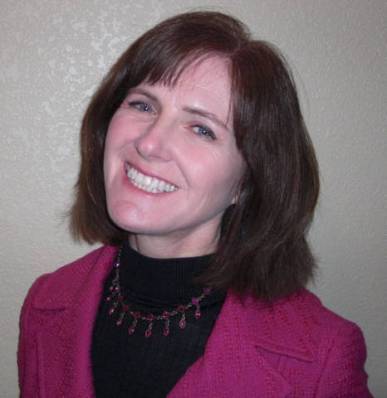
Q & A with Rocky Mountain Fiction Writers President Mark Stevens
Mark Stevens has been a journalist, producer of field documentaries, bartender, and now works in public relations while he writes mysteries set in Colorado. His first published mystery, Antler Dust, introduced hunting guide Allison Coil. Buried by the Roan, the second book in the series, focuses on fracking (hydraulic fracturing), a controversial technique for extracting oil or natural gas from certain types of rock.
Pat: Mark, how did you first hear about Rocky Mountain Fiction Writers and when did you join?
Mark: I wish I knew. I wish I could go back in time and remember who first pulled me in and what year it was because I know I didn’t appreciate it at the time—the first interaction with RMFW. (If anyone out there remembers, drop me a line.) Eight years? 10? I started going to a few workshops around town—the coolest free deal out there—and finally decided to attend a conference. This was years before I was published. I remember realizing the wealth of talent and everyone was so willing to offer ideas, discuss, chat, or share a coffee or adult beverage. And then something really profound dawned on me. All these people had the same questions I did about putting together quality prose, about constructing tight plots, about making dialogue work, whatever. I soon realized you get more out of RMFW than you put in and I thought, well, I’d found my people. I’m not much of a “joiner” in general but it felt easy and fun to hang out with my pals in RMFW. And joining put a bit of discipline into my writing so when people asked “what are you working on?” I didn’t just have a blank look on my face.
Pat: How many members does the organization have at this time? Are they all from Colorado?
Mark: We have 450 members representing 18 states from Washington to Florida and 1 in British Columbia. 90 percent are in Colorado.
Pat: What does the organization offer for beginning fiction writers?
Mark: Plenty! If I were advising a beginning fiction writer, I’d say go to the monthly workshops and sample the wide variety of coaching, information and inspiration available there. Did I already mention they are free? I think so. It’s such an easy way to meet fellow writers and pick up on some good, regular coaching. Once you see how darn friendly everyone is, join RMFW for a mere $45 and check out the monthly newsletter for other opportunities, book signings, more events and articles and insights about all aspects of the business. Then, check out a critique group. Bring some of your work to share and listen to the feedback—see if the group would be a good fit for your style. Next, submit an entry to the contest (watch the website for when the contest opens in the spring) and see how you stack up. You’ll get some worthwhile comments and maybe a high score. And who knows? (Finalists for this year’s awards were just announced). The next thing you know, you’re having a conversation with a nationally-known editor or agent.
Pat: Are there additional benefits for published authors?
Mark: Being published doesn’t mean you’re done. Some of the finest writers around (too many to start naming here) are still frequent visitors to the workshops, the conference, and critique groups. And so many published writers give back by putting on workshops or reading at critique groups or putting on major sessions at the conference. I think the “benefits” for published writers is the same as it is for anyone at any stage in the process—support, friendship, kinship and networking. Endless networking. And if you’re the best prose stylist since (fill in the blank, I’m not here to pick fights) then you might need some insights on the fast-changing publishing world or tips on marketing. It’s always something. Writers who manage to stay at home and pound out the novels are far and few between. They all need to get out there and keep up with the changes.
Pat: What does RMFW have to offer writers who live too far away from Denver to attend the monthly educational events?
Mark: Many members drive a long way to come to the workshops (an hour or more). Yes, the workshops are that good. And coming to the conference is a given—we have members flying in from across the country so driving in from around the state should be a snap. Members get access to the email loop (lots of good regular chatter about writing issues), access to the online critique group, and a monthly newsletter (you’ll never feel more connected). Plus, you can just say you belong. You’ve got friends. Friends for $45 a year? What a deal.
Pat: The RMFW Colorado Gold Writers Conference, scheduled for September 7-9 in Denver, is being advertised as its thirty-year anniversary. Tell us why you think this conference has been so successful.
Mark: The hospitality suite? Two late-night bashes unparalleled in the history of writer fests nationwide? (I’ve actually never gone to one of the parties.) Actually, too many reasons to name. You have to be there to see it and get it. Feel it. There is so much going on—agent and editor pitches (top-notch agents and editors from both coasts), master classes, stellar workshops, a fun banquet with contest winners announced. There’s just this wonderful buzz happening during the whole event. If you come once, you’re coming again and next time you might bring a friend. I’ve never laughed as hard as I did at last year’s keynote speech by Bernard Cornwell. Also last year, I happened to sit down next to an enthusiastic, upbeat young writer who was clearly working so hard at her craft I knew it would pay off. Now, she’s got a fabulous agent and well on her way. That kind of story is repeated over and over. Our conference chairs hear from these agents and editors that the days are very well run—and they are. It’s like the whole Mentos and Pepsi thing, the combinations can be quite explosive. And no, I’m not referring to the hospitality suite.
Pat: You’re a published mystery author. What specific advice and training did you receive through RMFW that helped you accomplish your writing goals?
Mark: Good question—and a tough one to answer. I wouldn’t know where to begin. I can’t cite just one. I don’t even have a list of all the advice or workshops. What inspiration you walk away with one year might be different than what you walk away with the next year—because you’re looking for different things, or you’re exposed to a new way of thinking about a specific issue. And some of it isn’t even all that specific—it’s the atmosphere. It’s being around serious writers and serious agents (some of the funniest people you’ll ever meet) who are immersed in the business, and you see how they talk about reviewing a manuscript, and you get a feel for the level of quality you need to produce to get in the door. You feel as if some of the standards they set might actually rub off on you and, well, I think it does. If forced to mention one specific piece of advice it would be the same one you hear everywhere—write and write some more and then write some more. And then keep writing. It’s a war and we’re all just soldiers doing a bit of battle each day—your job is to grab a pen and crank out the stories and keep the words flowing. You don’t get better by reading advice books—or even going to conferences—you get better by writing.
Pat: How do you schedule your writing time, your RMFW president duties, work, family, and still get everything done?
Mark: I don’t know. First things first? A “nail it” approach? Deal with the big stuff first and let the little stuff deal with itself? The one guaranteed part of every day is writing fiction. Forty-five minutes to an hour, every morning, at least five or six times a week. Then, the rest of the day, you know, bring it on. Compared to many others, I have an uncomplicated life and very little of it (okay, none) involves manual labor. So it’s just busy. I can’t complain about that.
Pat: Tell us something about yourself that most of your RMFW friends don’t already know.
Mark: I dig reality shows like “Flying Wild Alaska,” “Ice Road Truckers,” “Survivor,” “Amazing Race” and, yes, “Project Runway.” And if someone’s cooking on television, I am compelled to watch. Also love podcasts of all flavors and would love to get some new recommendations on cool new shows.
Many thanks to Mark for letting us give him the third degree this month. And I hope you all will be joining us September 7th in Denver for the Colorado Gold Conference. Maybe we'll see you in the Hospitality Suite?
~~~~~~~~~~~~~~~~~~~~~~~~~
You can get to know Mark better on his website, Facebook and on Twitter at @writerstevens He also reviews books on his blog, Don’t Need a Diagram.
For more information on Rocky Mountain Fiction Writers, visit the RMFW website. The full schedule for the Colorado Gold Conference and registration form is available along with information about guest agents and editors and all presenters.
Q & A conducted by Pat Stoltey via e-mail.
Pat: Mark, how did you first hear about Rocky Mountain Fiction Writers and when did you join?
Mark: I wish I knew. I wish I could go back in time and remember who first pulled me in and what year it was because I know I didn’t appreciate it at the time—the first interaction with RMFW. (If anyone out there remembers, drop me a line.) Eight years? 10? I started going to a few workshops around town—the coolest free deal out there—and finally decided to attend a conference. This was years before I was published. I remember realizing the wealth of talent and everyone was so willing to offer ideas, discuss, chat, or share a coffee or adult beverage. And then something really profound dawned on me. All these people had the same questions I did about putting together quality prose, about constructing tight plots, about making dialogue work, whatever. I soon realized you get more out of RMFW than you put in and I thought, well, I’d found my people. I’m not much of a “joiner” in general but it felt easy and fun to hang out with my pals in RMFW. And joining put a bit of discipline into my writing so when people asked “what are you working on?” I didn’t just have a blank look on my face.
Pat: How many members does the organization have at this time? Are they all from Colorado?
Mark: We have 450 members representing 18 states from Washington to Florida and 1 in British Columbia. 90 percent are in Colorado.
Pat: What does the organization offer for beginning fiction writers?
Mark: Plenty! If I were advising a beginning fiction writer, I’d say go to the monthly workshops and sample the wide variety of coaching, information and inspiration available there. Did I already mention they are free? I think so. It’s such an easy way to meet fellow writers and pick up on some good, regular coaching. Once you see how darn friendly everyone is, join RMFW for a mere $45 and check out the monthly newsletter for other opportunities, book signings, more events and articles and insights about all aspects of the business. Then, check out a critique group. Bring some of your work to share and listen to the feedback—see if the group would be a good fit for your style. Next, submit an entry to the contest (watch the website for when the contest opens in the spring) and see how you stack up. You’ll get some worthwhile comments and maybe a high score. And who knows? (Finalists for this year’s awards were just announced). The next thing you know, you’re having a conversation with a nationally-known editor or agent.
Pat: Are there additional benefits for published authors?
Mark: Being published doesn’t mean you’re done. Some of the finest writers around (too many to start naming here) are still frequent visitors to the workshops, the conference, and critique groups. And so many published writers give back by putting on workshops or reading at critique groups or putting on major sessions at the conference. I think the “benefits” for published writers is the same as it is for anyone at any stage in the process—support, friendship, kinship and networking. Endless networking. And if you’re the best prose stylist since (fill in the blank, I’m not here to pick fights) then you might need some insights on the fast-changing publishing world or tips on marketing. It’s always something. Writers who manage to stay at home and pound out the novels are far and few between. They all need to get out there and keep up with the changes.
Pat: What does RMFW have to offer writers who live too far away from Denver to attend the monthly educational events?
Mark: Many members drive a long way to come to the workshops (an hour or more). Yes, the workshops are that good. And coming to the conference is a given—we have members flying in from across the country so driving in from around the state should be a snap. Members get access to the email loop (lots of good regular chatter about writing issues), access to the online critique group, and a monthly newsletter (you’ll never feel more connected). Plus, you can just say you belong. You’ve got friends. Friends for $45 a year? What a deal.
Pat: The RMFW Colorado Gold Writers Conference, scheduled for September 7-9 in Denver, is being advertised as its thirty-year anniversary. Tell us why you think this conference has been so successful.
Mark: The hospitality suite? Two late-night bashes unparalleled in the history of writer fests nationwide? (I’ve actually never gone to one of the parties.) Actually, too many reasons to name. You have to be there to see it and get it. Feel it. There is so much going on—agent and editor pitches (top-notch agents and editors from both coasts), master classes, stellar workshops, a fun banquet with contest winners announced. There’s just this wonderful buzz happening during the whole event. If you come once, you’re coming again and next time you might bring a friend. I’ve never laughed as hard as I did at last year’s keynote speech by Bernard Cornwell. Also last year, I happened to sit down next to an enthusiastic, upbeat young writer who was clearly working so hard at her craft I knew it would pay off. Now, she’s got a fabulous agent and well on her way. That kind of story is repeated over and over. Our conference chairs hear from these agents and editors that the days are very well run—and they are. It’s like the whole Mentos and Pepsi thing, the combinations can be quite explosive. And no, I’m not referring to the hospitality suite.
Pat: You’re a published mystery author. What specific advice and training did you receive through RMFW that helped you accomplish your writing goals?
Mark: Good question—and a tough one to answer. I wouldn’t know where to begin. I can’t cite just one. I don’t even have a list of all the advice or workshops. What inspiration you walk away with one year might be different than what you walk away with the next year—because you’re looking for different things, or you’re exposed to a new way of thinking about a specific issue. And some of it isn’t even all that specific—it’s the atmosphere. It’s being around serious writers and serious agents (some of the funniest people you’ll ever meet) who are immersed in the business, and you see how they talk about reviewing a manuscript, and you get a feel for the level of quality you need to produce to get in the door. You feel as if some of the standards they set might actually rub off on you and, well, I think it does. If forced to mention one specific piece of advice it would be the same one you hear everywhere—write and write some more and then write some more. And then keep writing. It’s a war and we’re all just soldiers doing a bit of battle each day—your job is to grab a pen and crank out the stories and keep the words flowing. You don’t get better by reading advice books—or even going to conferences—you get better by writing.
Pat: How do you schedule your writing time, your RMFW president duties, work, family, and still get everything done?
Mark: I don’t know. First things first? A “nail it” approach? Deal with the big stuff first and let the little stuff deal with itself? The one guaranteed part of every day is writing fiction. Forty-five minutes to an hour, every morning, at least five or six times a week. Then, the rest of the day, you know, bring it on. Compared to many others, I have an uncomplicated life and very little of it (okay, none) involves manual labor. So it’s just busy. I can’t complain about that.
Pat: Tell us something about yourself that most of your RMFW friends don’t already know.
Mark: I dig reality shows like “Flying Wild Alaska,” “Ice Road Truckers,” “Survivor,” “Amazing Race” and, yes, “Project Runway.” And if someone’s cooking on television, I am compelled to watch. Also love podcasts of all flavors and would love to get some new recommendations on cool new shows.
Many thanks to Mark for letting us give him the third degree this month. And I hope you all will be joining us September 7th in Denver for the Colorado Gold Conference. Maybe we'll see you in the Hospitality Suite?
~~~~~~~~~~~~~~~~~~~~~~~~~
You can get to know Mark better on his website, Facebook and on Twitter at @writerstevens He also reviews books on his blog, Don’t Need a Diagram.
For more information on Rocky Mountain Fiction Writers, visit the RMFW website. The full schedule for the Colorado Gold Conference and registration form is available along with information about guest agents and editors and all presenters.
Q & A conducted by Pat Stoltey via e-mail.
Tuesday, August 7, 2012
A Special Message from Susan Brooks, Chairperson for the Colorado Gold Writers Conference
If you are an aspiring writer or even a seasoned published author, one of the best things you can do for yourself to improve your craft and get your name out is attend writers’ conferences.
Rocky Mountain Fiction Writers has been hosting its annual conference, Colorado Gold, for 30 years and this year is no exception. Scheduled for September 7-9 in Denver and considered to be one of the best writers’ conferences in the United States, this very reasonably priced educational and inspirational weekend is an excellent way to network with other writers, pitch your competed manuscript to acquiring editors and agents (pitch appointments are free), and hone your writing skills by attending some of the over 55 workshops offered.
Those nervous about pitching their work to editors and agents can attend the workshop “Making the Perfect Pitch” given by Katharine Sands from the Sarah Jane Freymann Literary Agency. This three-hour workshop will teach you everything you need to know about how to pitch your book with confidence and finesse. Even if you are not ready to pitch your story quite yet, this opportunity to learn this specialized but necessary skill is invaluable to your writing career. Writing is a business, and you need to know how to sell yourself and your book.
One of the hottest master classes to attend this year is “Goal, Motivation, and Conflict” given by Debra Dixon. Debra is a master teacher sought out by many writers all over the country, and her workshops and books are referenced by other authors in many writing how-to books.
New authors can attend “Introduction to Novel Writing” given by Sharon Mignerey. Sharon is the author of multiple books and long-time teacher. This master class is a great way to learn how to take your novel idea and transform it into a great publishable story.
Other master classes include “The Mock Crime Scene” taught by CSI Tom Adair, “Law for the Lone Wolf: Contract and Business Advice for the Self-Represented and/or Self-Published Author” given by practicing literary attorney Susan Spann, “Writing Characters that Live” by RMFW’s very own Carol Berg (and Writer of the Year), and “SCENEWORKS: Writing the Robust Scene” given by Trai Cartwright, a well-known entertainment industry professional.
Registration for Colorado Gold is open through September 7th, however master class registration ends August 15th. You will need to act quickly to take advantage of these specialized educational opportunities. Don’t miss out.
To register for Colorado Gold and to download the online brochure, visit http://www.rmfw.org/conference. Your registration at Colorado Gold includes all regular workshops, Friday night Italian Buffet, continental breakfast on Saturday and Sunday mornings, the Saturday evening banquet (attire is casual to formal), and the Sunday luncheon.
The conference is located at the Denver Renaissance Hotel (I-70 and Quebec). Be sure to mention RMFW when you register at http://www.denverrenaissance.com/ to ensure you receive the discounted rate. Hotel registration includes free parking and Wi-Fi.
If you have any questions you can contact me at conference@rmfw.org. I hope to see you in September at this amazing event.
Susan Brooks
Conference Chairperson
Rocky Mountain Fiction Writers
Rocky Mountain Fiction Writers has been hosting its annual conference, Colorado Gold, for 30 years and this year is no exception. Scheduled for September 7-9 in Denver and considered to be one of the best writers’ conferences in the United States, this very reasonably priced educational and inspirational weekend is an excellent way to network with other writers, pitch your competed manuscript to acquiring editors and agents (pitch appointments are free), and hone your writing skills by attending some of the over 55 workshops offered.
Those nervous about pitching their work to editors and agents can attend the workshop “Making the Perfect Pitch” given by Katharine Sands from the Sarah Jane Freymann Literary Agency. This three-hour workshop will teach you everything you need to know about how to pitch your book with confidence and finesse. Even if you are not ready to pitch your story quite yet, this opportunity to learn this specialized but necessary skill is invaluable to your writing career. Writing is a business, and you need to know how to sell yourself and your book.
One of the hottest master classes to attend this year is “Goal, Motivation, and Conflict” given by Debra Dixon. Debra is a master teacher sought out by many writers all over the country, and her workshops and books are referenced by other authors in many writing how-to books.
New authors can attend “Introduction to Novel Writing” given by Sharon Mignerey. Sharon is the author of multiple books and long-time teacher. This master class is a great way to learn how to take your novel idea and transform it into a great publishable story.
Other master classes include “The Mock Crime Scene” taught by CSI Tom Adair, “Law for the Lone Wolf: Contract and Business Advice for the Self-Represented and/or Self-Published Author” given by practicing literary attorney Susan Spann, “Writing Characters that Live” by RMFW’s very own Carol Berg (and Writer of the Year), and “SCENEWORKS: Writing the Robust Scene” given by Trai Cartwright, a well-known entertainment industry professional.
Registration for Colorado Gold is open through September 7th, however master class registration ends August 15th. You will need to act quickly to take advantage of these specialized educational opportunities. Don’t miss out.
To register for Colorado Gold and to download the online brochure, visit http://www.rmfw.org/conference. Your registration at Colorado Gold includes all regular workshops, Friday night Italian Buffet, continental breakfast on Saturday and Sunday mornings, the Saturday evening banquet (attire is casual to formal), and the Sunday luncheon.
The conference is located at the Denver Renaissance Hotel (I-70 and Quebec). Be sure to mention RMFW when you register at http://www.denverrenaissance.com/ to ensure you receive the discounted rate. Hotel registration includes free parking and Wi-Fi.
If you have any questions you can contact me at conference@rmfw.org. I hope to see you in September at this amazing event.
Susan Brooks
Conference Chairperson
Rocky Mountain Fiction Writers
Tuesday, July 31, 2012
Sometimes We Just Need Yellow Flowers
A post by Pat Stoltey who sometimes stops to look at the flowers just because...
I can't think of too many things that cheer me up in the same way yellow flowers do. I think it has something to do with the rambling, yellow roses on our farm that used to bloom around my birthday each year when I was a kid. It always seemed as though they bloomed just for me.
A friend gave me three daylilies a few years ago. I'm not good with daylilies, but this one proved hardy enough to tolerate its lack of attention for a couple of years. Sadly, it's gone now.
Hedge roses are also tough enough to survive in their corner of my neglected garden. These keep blooming, in spite of me.
And there are wildflowers.
What does this have to do with writing? Blogging authors ask that a lot, don't they? Well, frankly, this post doesn't have much to do with anything except yellow flowers. I hope you like them.
I can't think of too many things that cheer me up in the same way yellow flowers do. I think it has something to do with the rambling, yellow roses on our farm that used to bloom around my birthday each year when I was a kid. It always seemed as though they bloomed just for me.
A friend gave me three daylilies a few years ago. I'm not good with daylilies, but this one proved hardy enough to tolerate its lack of attention for a couple of years. Sadly, it's gone now.
Hedge roses are also tough enough to survive in their corner of my neglected garden. These keep blooming, in spite of me.
And there are wildflowers.
What does this have to do with writing? Blogging authors ask that a lot, don't they? Well, frankly, this post doesn't have much to do with anything except yellow flowers. I hope you like them.
Tuesday, June 26, 2012
Five Hundred Words a Day
by Pat Stoltey
In Lessons from a Lifetime of Writing, David Morrell tells the story of how he became drawn to fiction writing, his determination, his trials and errors, and his successes. The part of the story I like best is about a novel Morrell began when he was only twenty-five years old. He still lacked confidence in his abilities, so even after completing several drafts of a tale about a Vietnam veteran, Morrell gave up on the novel with little hope he'd ever make it as a fiction writer. He shoved the manuscript into a drawer "and began a much more sensible project: my dissertation on the contemporary American writer John Barth."
When the dissertation was finished, Morrell had free time before moving to the University of Iowa to begin his teaching job. He found that abandoned manuscript, decided it wasn't nearly as bad as he'd thought, finished it, and sent it to an agent. Months later, the manuscript sold. That was First Blood, the first book in the Rambo series.
Morrell, after years of experience and many published books, advises writers not to chase trends or try to second guess the market. He goes on to say, "The only reason to write a story is that it grabs you and won't let you go until you put it on paper."
Blythe Camenson and Marshall J. Cook quote agent Peter Rubie in Give 'Em What They Want, "I think the best a writer can ever do is do what he wants to do, as best as he can do it. Be true to yourself and everything else will follow."
And Julia Cameron, in her book Walking in This World: the Practical Art of Creativity, tells this story:
Pick up a pen--or sit down at your computer--and start writing. Do it again tomorrow. Five hundred words a day is 182,500 words in a year.
~~~~~~~~~~~~~~~~~~~~~~~~
This post is adapted from my July 31, 2009 post at Patricia Stoltey blog.
In Lessons from a Lifetime of Writing, David Morrell tells the story of how he became drawn to fiction writing, his determination, his trials and errors, and his successes. The part of the story I like best is about a novel Morrell began when he was only twenty-five years old. He still lacked confidence in his abilities, so even after completing several drafts of a tale about a Vietnam veteran, Morrell gave up on the novel with little hope he'd ever make it as a fiction writer. He shoved the manuscript into a drawer "and began a much more sensible project: my dissertation on the contemporary American writer John Barth."
When the dissertation was finished, Morrell had free time before moving to the University of Iowa to begin his teaching job. He found that abandoned manuscript, decided it wasn't nearly as bad as he'd thought, finished it, and sent it to an agent. Months later, the manuscript sold. That was First Blood, the first book in the Rambo series.
Morrell, after years of experience and many published books, advises writers not to chase trends or try to second guess the market. He goes on to say, "The only reason to write a story is that it grabs you and won't let you go until you put it on paper."
Blythe Camenson and Marshall J. Cook quote agent Peter Rubie in Give 'Em What They Want, "I think the best a writer can ever do is do what he wants to do, as best as he can do it. Be true to yourself and everything else will follow."
And Julia Cameron, in her book Walking in This World: the Practical Art of Creativity, tells this story:
"Today my mail contained a manila envelope from a friend, a born storyteller who spent years wanting to write and not writing. Last June, on a perfectly ordinary day, Larry did an extraordinary thing for him: He picked up a pen and started writing. I now have a fat sheaf of stories in my hand. All he needed to do was begin. And then begin again the next day."The concept isn't hard to grasp. All of the ones who do it keep telling those who don't: Write. Just sit down and write. If you lack confidence, as did David Morrell when he was young, write anyway. If the market seems to favor biological disaster thrillers, and you want to write a gentle love story that begins in the shelter of a covered bridge, write your love story anyway.
Pick up a pen--or sit down at your computer--and start writing. Do it again tomorrow. Five hundred words a day is 182,500 words in a year.
~~~~~~~~~~~~~~~~~~~~~~~~
This post is adapted from my July 31, 2009 post at Patricia Stoltey blog.
Tuesday, May 29, 2012
Just Do It!
by Pat Stoltey
Sunday morning I did something I haven't done in a long time. After I finished reading the paper, I poured a cup of coffee and went into the living room for a thinking session. There's a special chair in there for meditating or puzzling through a problem. It's a beige swivel rocker that can be turned toward the picture window. Rocking seems to help my thinking process, moving it along in a way. The motion is calming, and don't we all think better when we're calm?
What I needed to think about was:
Reading, critiquing, blogging, and tweeting,
Lallygagging, sleeping, gardening, and eating,
There's not enough time to do them all,
Who in the flying hell do I call?
For help, I mean. Is there such a thing as procrastination-busters? A group dedicated to breaking the television/movie habit? How about a twelve-step method for beating the "meet me for coffee at Starbucks" or "let's do lunch" addiction?
The same two manuscripts I was talking about three months ago, one that needed "one more good read" and the other that was ready for revisions, have somehow been dumped back into the "one more good read" category. They're printed out, sitting on the otherwise clean and dust free dining room table, waiting patiently.
Meanwhile, I'm fiddling with my own blog and making contacts to schedule more guest bloggers, collecting information for the Chiseled in Rock posts, doing what needs to be done to publish my second Sylvia and Willie mystery on Kindle and Nook, and playing Spider Solitaire. I had two raised garden beds installed, so I'm outside more, watering and finding new things to plant. I'm planning a couple of trips to visit family, and Skyping with the granddaughter and her mommy and daddy as often as their schedule permits. I rewrite my To Do List daily, but I've recently noticed it doesn't have anything on it about daily writing time.
What is it about sitting down to write or revise, or to send out those queries and submissions, that's so difficult? I see the question pondered over and over by writers. I did get a little poke from my Horoscope on Sunday though. (Yes, I read my Horoscope. When you stop giggling, read on.) It said:
So I thought and thought and rocked and rocked. What I finally decided as I sipped my coffee and rocked is this: Revising my manuscripts forever is one more form of procrastination. It's a lot of work compiling a list of agents and/or publishers, checking out the submission guidelines, writing a separate query for each one, logging the submissions on a spreadsheet, and on and on.
It's painful waiting for replies to queries that never come. And what if an agent or publisher likes a book and wants me to produce another one in a year? Could I do that? On the other hand, what if every rejection is accompanied by constructive feedback, but all the feedback is different? What will I do then? Maybe I better revise the novels one more time before I send those queries.
So Sunday morning I rocked, thought about my procrastination as irrational fear, took a deep breath and let it out. I felt better. Even felt a little bit like working on that final proofread and putting together my agent list with notes on submission guidelines for each. Just do it, I thought. Just do it.
But first, I set the sun tea jug outside, wrote this blog post and pre-scheduled it for today, pre-scheduled Bailey Cates' (aka Cricket McRae) post on my own blog for yesterday, dug up the dying lavender plant near the house and replaced it with gladiolus bulbs, and scheduled a Super Shuttle pickup to the airport for my upcoming trip.
And so it goes.
This is an updated version of a 2010 post on my own blog.
Sunday morning I did something I haven't done in a long time. After I finished reading the paper, I poured a cup of coffee and went into the living room for a thinking session. There's a special chair in there for meditating or puzzling through a problem. It's a beige swivel rocker that can be turned toward the picture window. Rocking seems to help my thinking process, moving it along in a way. The motion is calming, and don't we all think better when we're calm?
What I needed to think about was:
Reading, critiquing, blogging, and tweeting,
Lallygagging, sleeping, gardening, and eating,
There's not enough time to do them all,
Who in the flying hell do I call?
For help, I mean. Is there such a thing as procrastination-busters? A group dedicated to breaking the television/movie habit? How about a twelve-step method for beating the "meet me for coffee at Starbucks" or "let's do lunch" addiction?
The same two manuscripts I was talking about three months ago, one that needed "one more good read" and the other that was ready for revisions, have somehow been dumped back into the "one more good read" category. They're printed out, sitting on the otherwise clean and dust free dining room table, waiting patiently.
Meanwhile, I'm fiddling with my own blog and making contacts to schedule more guest bloggers, collecting information for the Chiseled in Rock posts, doing what needs to be done to publish my second Sylvia and Willie mystery on Kindle and Nook, and playing Spider Solitaire. I had two raised garden beds installed, so I'm outside more, watering and finding new things to plant. I'm planning a couple of trips to visit family, and Skyping with the granddaughter and her mommy and daddy as often as their schedule permits. I rewrite my To Do List daily, but I've recently noticed it doesn't have anything on it about daily writing time.
What is it about sitting down to write or revise, or to send out those queries and submissions, that's so difficult? I see the question pondered over and over by writers. I did get a little poke from my Horoscope on Sunday though. (Yes, I read my Horoscope. When you stop giggling, read on.) It said:
"It won't help you to be a perfectionist now. Get your work out there in whatever form it happens to exist, at least to a small audience who would help you take it to the next level."
So I thought and thought and rocked and rocked. What I finally decided as I sipped my coffee and rocked is this: Revising my manuscripts forever is one more form of procrastination. It's a lot of work compiling a list of agents and/or publishers, checking out the submission guidelines, writing a separate query for each one, logging the submissions on a spreadsheet, and on and on.
It's painful waiting for replies to queries that never come. And what if an agent or publisher likes a book and wants me to produce another one in a year? Could I do that? On the other hand, what if every rejection is accompanied by constructive feedback, but all the feedback is different? What will I do then? Maybe I better revise the novels one more time before I send those queries.
So Sunday morning I rocked, thought about my procrastination as irrational fear, took a deep breath and let it out. I felt better. Even felt a little bit like working on that final proofread and putting together my agent list with notes on submission guidelines for each. Just do it, I thought. Just do it.
But first, I set the sun tea jug outside, wrote this blog post and pre-scheduled it for today, pre-scheduled Bailey Cates' (aka Cricket McRae) post on my own blog for yesterday, dug up the dying lavender plant near the house and replaced it with gladiolus bulbs, and scheduled a Super Shuttle pickup to the airport for my upcoming trip.
And so it goes.
This is an updated version of a 2010 post on my own blog.
Tuesday, April 17, 2012
Three Authors, Three Questions: April 2012
Our guests for April are Alex Adams, author of a dystopian thriller, mystery writer Beth Groundwater, and children's author Natasha Wing. Welcome to Three Authors, Three Questions.
~~~~~~~~~~~~~~~~~~~~~~~~
Alex Adams was born in New Zealand, raised in Greece and Australia, and currently lives in Oregon–which is a whole lot like New Zealand, she says, minus those freaky-looking wetas (large brown wingless insects related to the grasshoppers and found only in New Zealand).
Her debut novel, White Horse (Emily Bestler Books/Atria) is scheduled to release on April 17, 2012.
For more information about Alex and White Horse, visit her websites Alex Adams and White Horse and her blog. You can also find her on Facebook and Twitter.
1. Alex, where do you write and what is your writing schedule like? (Time of day, days per week, hours per session, etc.)
I have a home office that's mine, all mine, except when the cat and dog are engaged in mostly-friendly battle and they're using me as a safe base. You'll find me there Monday through Friday, between the hours of six-ish and five-ish. I break for a couple of hours in the middle. That gives me time to eat, respond to mail, and catch up on blog feeds. Any more time than that at my desk and I wind up too crispy around the edges to function as a real human being. I confess I'm also a lover of naps, so I shamelessly squeeze them into my work day when I can.
2. What are some of the unique and/or fun ways you promote and market your books?
I'm not sure I'm doing anything that hasn't been done before, but I do enjoy giving things away. So far that's been limited to ARCs, but I do have in my possession (courtesy of the amazing Carol Warwick at Simon & Schuster Australia) a number of White Horse cover posters that I'll be giving away very soon. They're double-sided for bookstore promo in Australia and they feature the UK/AU/NZ cover along with a link to the Aussie-designed site which will be live later in April.
3. What is the best writing advice you ever received? And the worst?
The best: Butt in Chair. Although I'd like to upgrade it to "butt in chair, turn off Internet." The Internet is the working writer's frenemy. Choosing the worst is tricky; there's so much bad advice out there. But I'm going to go with: Show, don't tell. It should be amended to: Learn when to show and when to tell.
Most advice, good and bad, needs to be personalized to fit the writer.
~~~~~~~~~~~~~~~~~~~~~~~~~
Beth Groundwater has had a “lifelong interest in developing solutions to convoluted puzzles, be they software algorithms, understanding what makes a person tick, or solving a mystery story's ‘what if?’” Until she retired in 1999, she worked as a software engineer and software project manager.
When she turned to writing after retirement, she naturally chose the mystery genre so she could work with plot puzzles. She currently has two active series, the Claire Hanover gift basket series and the Mandy Tanner Rocky Mountain Outdoor Adventure Series. Her upcoming release is Wicked Eddies, scheduled to release May 8th, 2012.
You can learn more about Beth and her two mystery series at her website and blog. She can also be found on Facebook.
1. Beth, where do you write and what is your writing schedule like? (Time of day, days per week, hours per session, etc.)
I have a writing office in my home, and I’ve trained my husband to avoid interrupting me there unless the house is on fire. He usually remembers to refrain from talking to me until I come out of the office on breaks. Writing is my full-time occupation, so I can set my own hours, but I try to schedule a total of 40 a week. If I go out skiing in the morning, that means I will be emailing, blogging, or editing in the evening. When I’m cranking out a rough draft, I try to schedule two 2-3 hour sessions per day of writing, 5 days a week.
2. What are some of the unique and/or fun ways you promote and market your books?
I’ve sold my Claire Hanover gift basket designer mysteries at craft fairs and my RM Outdoor Adventures mysteries starring whitewater river ranger Mandy Tanner at whitewater festivals. I was even the Parade VIP at the FIBArk festival in Salida, Colorado, 2011! When I do bookstore signings, I sometimes try to find a related nonprofit that the store would share the proceeds with in exchange for the nonprofit promoting the event to their members. For Deadly Currents, for example, I did one signing benefiting American Rivers and another benefiting Trout Unlimited.
3. What is the best writing advice you ever received? And the worst?
The best advice was to sit my butt in the chair and write, and keep on writing. There’s an old rule of thumb, often quoted, that you have to write one million words before the good ones start coming out. I also have a quote by Winston S. Churchill on my desk: “Never, never, never give in!” This came in handy when I was querying and receiving rejections. The worst advice, usually given to me by non-writers, was, “Why don’t you write a book about vampires? They’re so popular nowadays.” You can’t follow trends, because trends are fleeting. You have to write what you’re interested in, and frankly, I’m not interested in vampires.
~~~~~~~~~~~~~~~~~~~~~~~~~
Natasha Wing was already working at her own public relations firm when she decided she wanted to write children’s books. Since 1992, she has had more than twenty books published, including her popular Night Before series. The book page on her website shows off the books’ colorful cover art and delightful story ideas.
Natasha is available for school visits in the Northern Colorado area. Her blog contains helpful articles for teachers and writers. For even more information about Natasha and her books, visit her Facebook fan page. You can also find her on Twitter.
The Night Before Father’s Day is scheduled for release May 10th.
1. Natasha, where do you write and what is your writing schedule like? (Time of day, days per week, hours per session, etc.)
I typically write in the mornings at my desk on the second floor in a converted spare bedroom. Ever since I moved to Colorado, my writing schedule has changed. I used to be more disciplined - working Monday through Friday - but Colorado has too many outdoor temptations. So now I write some in the mornings and then sneak it in between activities, sometimes on weekends and at night if I'm working on something exciting or pressing.
2. What are some of the unique and/or fun ways you promote and market your books?
I have a marketing background, so I've tried lots of things in the name of creativity and selling. After 20 years, I haven't seemed to have found the magical marketing device that has worked profoundly. With An Eye for Color: The Story of Josef Albers I contacted museums that showed his art and got my books into their bookstores. With Jalapeño Bagels I paired up with the bakery that the story was based on and cross-promoted on their website. Teachers have the bakery send out shipments of jalapeño bagels for their students to taste. Back in California the hospital did a promotion where they gave away a bunny and a basket for kids in the hospital over Easter, so I had them add my The Night Before Easter book. I'm still hoping a celebrity will do an audio reading of my book, or endorse it!
3. What is the best writing advice you ever received? And the worst?
The best writing advice was from fellow writer and friend, Barbara Kerley. I was working on a non-fiction picture book for children about Jackie O's involvement in helping save Grand Central Terminal in New York City from destruction. She said I needed to think of the building as a character and then I'd know why Jackie fought for it, and the readers would empathize with her and also want it to be saved. The worst advice was from a writing teacher at a university in California. I took his class when I was first wanting to write for children. He said rhyming books don't sell so don't bother writing them. My first book published was a rhyming book and my most popular series based on The Night Before Christmas is my best seller. In fact, I have a new title coming out in May - The Night Before Father's Day.
~~~~~~~~~~~~~~~~~~~~~~~~~
Mini-interviews were conducted and compiled by Pat Stoltey. Chiseled in Rock thanks Alex Adams, Beth Groundwater, and Natasha Wing for graciously agreeing to participate in the Three Authors, Three Questions series.
~~~~~~~~~~~~~~~~~~~~~~~~
Alex Adams was born in New Zealand, raised in Greece and Australia, and currently lives in Oregon–which is a whole lot like New Zealand, she says, minus those freaky-looking wetas (large brown wingless insects related to the grasshoppers and found only in New Zealand).Her debut novel, White Horse (Emily Bestler Books/Atria) is scheduled to release on April 17, 2012.
For more information about Alex and White Horse, visit her websites Alex Adams and White Horse and her blog. You can also find her on Facebook and Twitter.
1. Alex, where do you write and what is your writing schedule like? (Time of day, days per week, hours per session, etc.)
I have a home office that's mine, all mine, except when the cat and dog are engaged in mostly-friendly battle and they're using me as a safe base. You'll find me there Monday through Friday, between the hours of six-ish and five-ish. I break for a couple of hours in the middle. That gives me time to eat, respond to mail, and catch up on blog feeds. Any more time than that at my desk and I wind up too crispy around the edges to function as a real human being. I confess I'm also a lover of naps, so I shamelessly squeeze them into my work day when I can.
2. What are some of the unique and/or fun ways you promote and market your books?
I'm not sure I'm doing anything that hasn't been done before, but I do enjoy giving things away. So far that's been limited to ARCs, but I do have in my possession (courtesy of the amazing Carol Warwick at Simon & Schuster Australia) a number of White Horse cover posters that I'll be giving away very soon. They're double-sided for bookstore promo in Australia and they feature the UK/AU/NZ cover along with a link to the Aussie-designed site which will be live later in April.
3. What is the best writing advice you ever received? And the worst?
The best: Butt in Chair. Although I'd like to upgrade it to "butt in chair, turn off Internet." The Internet is the working writer's frenemy. Choosing the worst is tricky; there's so much bad advice out there. But I'm going to go with: Show, don't tell. It should be amended to: Learn when to show and when to tell.
Most advice, good and bad, needs to be personalized to fit the writer.
~~~~~~~~~~~~~~~~~~~~~~~~~
Beth Groundwater has had a “lifelong interest in developing solutions to convoluted puzzles, be they software algorithms, understanding what makes a person tick, or solving a mystery story's ‘what if?’” Until she retired in 1999, she worked as a software engineer and software project manager.When she turned to writing after retirement, she naturally chose the mystery genre so she could work with plot puzzles. She currently has two active series, the Claire Hanover gift basket series and the Mandy Tanner Rocky Mountain Outdoor Adventure Series. Her upcoming release is Wicked Eddies, scheduled to release May 8th, 2012.
You can learn more about Beth and her two mystery series at her website and blog. She can also be found on Facebook.
1. Beth, where do you write and what is your writing schedule like? (Time of day, days per week, hours per session, etc.)
I have a writing office in my home, and I’ve trained my husband to avoid interrupting me there unless the house is on fire. He usually remembers to refrain from talking to me until I come out of the office on breaks. Writing is my full-time occupation, so I can set my own hours, but I try to schedule a total of 40 a week. If I go out skiing in the morning, that means I will be emailing, blogging, or editing in the evening. When I’m cranking out a rough draft, I try to schedule two 2-3 hour sessions per day of writing, 5 days a week.
2. What are some of the unique and/or fun ways you promote and market your books?
I’ve sold my Claire Hanover gift basket designer mysteries at craft fairs and my RM Outdoor Adventures mysteries starring whitewater river ranger Mandy Tanner at whitewater festivals. I was even the Parade VIP at the FIBArk festival in Salida, Colorado, 2011! When I do bookstore signings, I sometimes try to find a related nonprofit that the store would share the proceeds with in exchange for the nonprofit promoting the event to their members. For Deadly Currents, for example, I did one signing benefiting American Rivers and another benefiting Trout Unlimited.
3. What is the best writing advice you ever received? And the worst?
The best advice was to sit my butt in the chair and write, and keep on writing. There’s an old rule of thumb, often quoted, that you have to write one million words before the good ones start coming out. I also have a quote by Winston S. Churchill on my desk: “Never, never, never give in!” This came in handy when I was querying and receiving rejections. The worst advice, usually given to me by non-writers, was, “Why don’t you write a book about vampires? They’re so popular nowadays.” You can’t follow trends, because trends are fleeting. You have to write what you’re interested in, and frankly, I’m not interested in vampires.
~~~~~~~~~~~~~~~~~~~~~~~~~
Natasha Wing was already working at her own public relations firm when she decided she wanted to write children’s books. Since 1992, she has had more than twenty books published, including her popular Night Before series. The book page on her website shows off the books’ colorful cover art and delightful story ideas.Natasha is available for school visits in the Northern Colorado area. Her blog contains helpful articles for teachers and writers. For even more information about Natasha and her books, visit her Facebook fan page. You can also find her on Twitter.
The Night Before Father’s Day is scheduled for release May 10th.
1. Natasha, where do you write and what is your writing schedule like? (Time of day, days per week, hours per session, etc.)
I typically write in the mornings at my desk on the second floor in a converted spare bedroom. Ever since I moved to Colorado, my writing schedule has changed. I used to be more disciplined - working Monday through Friday - but Colorado has too many outdoor temptations. So now I write some in the mornings and then sneak it in between activities, sometimes on weekends and at night if I'm working on something exciting or pressing.
2. What are some of the unique and/or fun ways you promote and market your books?
I have a marketing background, so I've tried lots of things in the name of creativity and selling. After 20 years, I haven't seemed to have found the magical marketing device that has worked profoundly. With An Eye for Color: The Story of Josef Albers I contacted museums that showed his art and got my books into their bookstores. With Jalapeño Bagels I paired up with the bakery that the story was based on and cross-promoted on their website. Teachers have the bakery send out shipments of jalapeño bagels for their students to taste. Back in California the hospital did a promotion where they gave away a bunny and a basket for kids in the hospital over Easter, so I had them add my The Night Before Easter book. I'm still hoping a celebrity will do an audio reading of my book, or endorse it!
3. What is the best writing advice you ever received? And the worst?
The best writing advice was from fellow writer and friend, Barbara Kerley. I was working on a non-fiction picture book for children about Jackie O's involvement in helping save Grand Central Terminal in New York City from destruction. She said I needed to think of the building as a character and then I'd know why Jackie fought for it, and the readers would empathize with her and also want it to be saved. The worst advice was from a writing teacher at a university in California. I took his class when I was first wanting to write for children. He said rhyming books don't sell so don't bother writing them. My first book published was a rhyming book and my most popular series based on The Night Before Christmas is my best seller. In fact, I have a new title coming out in May - The Night Before Father's Day.
~~~~~~~~~~~~~~~~~~~~~~~~~
Mini-interviews were conducted and compiled by Pat Stoltey. Chiseled in Rock thanks Alex Adams, Beth Groundwater, and Natasha Wing for graciously agreeing to participate in the Three Authors, Three Questions series.
Tuesday, April 3, 2012
The Writing Life: Facing Challenges
by Pat Stoltey
I’m a pushover for challenges, at least the good kind. Right after my decision to cut back on blogging to give me more time for writing, I signed up for the Blogging from A to Z April Challenge 2012. Sorry if you didn’t get in on the action. The deadline for sign-ups was yesterday.
The A to Z Challenge is all about making new blogger friends. And that’s all about widening our circle of contacts to include folks who aren’t necessarily like us. By that, I mean the challenge is an opportunity to link up with bloggers who may live in other parts of the world, bloggers who don’t write the same things we write or who don’t write at all, and bloggers who focus on causes, whether they be health and welfare, religion, or politics. One of the things I enjoy most about this challenge is the people I’ve met who stayed in touch throughout the year—reaching out, supporting, sympathizing, and sometimes even conducting an interview or hosting a guest blog post.
I have another challenge for this week. I’ve dilly-dallied on writing the synopsis for my suspense manuscript, but I need to get that job done before I start the submission process. This task cannot be put off one more day. That's another reason my blog post this week is short and simple. I'm working so hard my computer is smoking.
Challenges for writers can be great or small, fun or traumatic. Most of us have experienced the good and the bad. What is the biggest writing challenge you face this week? How are you going to meet that challenge?
I’m a pushover for challenges, at least the good kind. Right after my decision to cut back on blogging to give me more time for writing, I signed up for the Blogging from A to Z April Challenge 2012. Sorry if you didn’t get in on the action. The deadline for sign-ups was yesterday.
The A to Z Challenge is all about making new blogger friends. And that’s all about widening our circle of contacts to include folks who aren’t necessarily like us. By that, I mean the challenge is an opportunity to link up with bloggers who may live in other parts of the world, bloggers who don’t write the same things we write or who don’t write at all, and bloggers who focus on causes, whether they be health and welfare, religion, or politics. One of the things I enjoy most about this challenge is the people I’ve met who stayed in touch throughout the year—reaching out, supporting, sympathizing, and sometimes even conducting an interview or hosting a guest blog post.
I have another challenge for this week. I’ve dilly-dallied on writing the synopsis for my suspense manuscript, but I need to get that job done before I start the submission process. This task cannot be put off one more day. That's another reason my blog post this week is short and simple. I'm working so hard my computer is smoking.
Challenges for writers can be great or small, fun or traumatic. Most of us have experienced the good and the bad. What is the biggest writing challenge you face this week? How are you going to meet that challenge?
Subscribe to:
Posts (Atom)