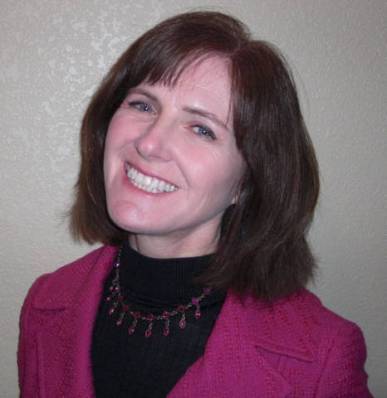
Today is the last episode of 3A3Q, so I’m very pleased to have two RMFW members as part of our lineup. Chiseled in Rock welcomes fantasy romance author Robin Owens and mystery authors Margaret Maron and Mike Befeler.
Welcome to Three Authors, Three Questions.
~~~~~~~~~~~~~~~~~~~~~~~~~
Mike Befeler writes the Paul Jacobson Geezer-lit Mystery Series including Senior Moments are Murder, Retirement Homes are Murder and Living with Your Kids is Murder, which was nominated for the Lefty Award for best humorous mystery of 2009. The fourth book in his series, Cruising in Your Eighties is Murder, will be released in December, 2012.
To learn more about Mike and his geezer lit series, visit his website and blog. He can also be found on Facebook.
1. Mike, how and where did you come up with the idea for your first novel?
Inspired by people I met when my mom and stepdad lived in a retirement home, I started writing a relationship story about three men and three women in a retirement community. At the same time I was writing a collection of short mystery stories that had either the victim or the perpetrator being an older person. The two ideas merged, and my first published novel, Retirement Homes Are Murder was born.
2. How creative are you in other areas of your life, especially your hobbies?
I never thought I was that creative, but in 2001 I started making plans to retire. I thought over things I had really enjoyed doing over my life, and they were all creative, such as painting and writing. At that time, I made a conscious decision that I wanted to retire into fiction writing, and in 2007 I published my first novel and retired into writing. I’ve learned that we’re all creative. We only need to give ourselves permission to let the creativity flow.
3. If you could return to the beginning of your writing career, and if you knew everything you’ve learned along the way, what would you do differently?
Since I didn’t start seriously writing until I was fifty-six, in looking back I would have started younger. On the other hand, there is something to be said for timing. When younger, my time was dedicated to raising a family and my career in the hi-tech world. As I approached retirement, I was able to spend the time once occupied with choir concerts, plays and soccer games by writing. I also feel that I needed to have the life experiences under my belt to give me the foundation for my writing.
~~~~~~~~~~~~~~~~~~~~~~~~~
Margaret Maron is the author of twenty-eight novels and two collections of short stories. Winner of several major American awards for mysteries (Edgar, Agatha, Anthony, Macavity), her works are on the reading lists of various courses in contemporary Southern literature and have been translated into some 20 languages. She has served as national president of Sisters in Crime and Mystery Writers of America.
A native Tar Heel, she still lives on her family’s century farm a few miles southeast of Raleigh, the setting for Bootlegger’s Daughter, which is numbered among the 100 Favorite Mysteries of the Century as selected by the Independent Mystery Booksellers Association. In 2008, she received the North Carolina Award for Literature, the state’s highest civilian honor; and in 2010, an honorary doctorate from UNCG. Her mystery novels feature District Court Judge Deborah Knott. The latest book in the series, The Buzzard Table, is scheduled for release November 20th.
You’ll find lots more information about Margaret and her novels at her website/blog. She can also be found on Facebook.
1. Margaret, how and where did you come up with the idea for your first novel, One Coffee With?
I had worked for the Chair of the Brooklyn College Design Dept. and noticed that there seemed to be a lot of toxic chemicals (etching acids, photo developers, etc) floating around. Also that tenure was discussed more often than art. It wasn't a great leap from thinking, "If Professor X retired, Mr. B would be promoted to an associate professorship" to thinking "Who else would benefit if Professor X were murdered?"
2. How creative are you in other areas of your life, especially your hobbies?
Fairly creative in a commonsense, practical way. I don't really have any hobbies. I sew, I garden, I can build, I can repurpose cast-offs, I'm good with a paintbrush, but I don't consider any of these hobbies. They all have utilitarian ends.
3. If you could return to the beginning of your writing career, and if you knew everything you’ve learned along the way, what would you do differently?
I might pay more attention to the business side of writing, but as for the writing itself, I don't know that I'd do much differently.
~~~~~~~~~~~~~~~~~~~~~~~~~
Robin D. Owens has been writing longer than she cares to recall. Her fantasy/futuristic romances found a home at Berkley with the issuance of HeartMate in December 2001. She credits the telepathic cat with attitude in selling that book. Since then, Heart Thief was a launch book for Berkley Sensation in June 2003, Heart Duel was published in April 2004, and Heart Choice in July 2005. Her Luna Books series includes shape-shifting fairies and average American women summoned into another world to fight monstrous evil. The first, Guardian of Honor, came out in February 2005 and Sorceress of Faith in February 2006. Her latest, Enchanted Ever After, will be released December 18th.
Robin's best writing moment was winning the Romance Writers of America RITA award! Her worst writing moment is every time a rejection hits.
To learn more about Robin and her books, visit her website and her blog On Writing and Publishing. Find her also on Twitter and Facebook.
1. Robin, how and where did you come up with the idea for your first novel?
First novel? I started my first long story when I was about ten. It was about two gorgeous girls (one with long blonde hair and one with long, dark, curly black hair) on a spaceship...many attempts later I finished a manuscript (because a friend reading it was going out of the country and wanted to read the ending). Um, that one, The Token, started with a dream sequence, and moved to a car-trip (short), then into an inheritance scene with far too many characters. I think I just sat down and began writing after Kay Bergstrom (teacher of the class on women in jeopardy -- romantic suspense), said "bring five pages to the next class." Of course I didn't know I was supposed to double space...
First published book? Now, that I can answer. My historical Regency romances were going nowhere, I decided to write just for myself, had a bloodstone pendulum and thought "what would happen if there's a place -- say a CELTIC Pagan planet colonized by Earth people -- where a tough guy would actually throw Divination Dice and BELIEVE THEM: 'Today You Will Meet Your HeartMate.'" And, of course, the tough guy had an equally tough telepathic cat who sauntered onto page 3 complaining that the chef had served him fish again...
2. How creative are you in other areas of your life, especially your hobbies?
Other creativity: I used to do crewel embroidery, but not design the pattern. I was very good at that. I can draw stick men! I can make a lopsided pot even my mother won't have in the house! I can make jewelry even my mother won't wear!
3. If you could return to the beginning of your writing career, and if you knew everything you’ve learned along the way, what would you do differently?
Beginning of my career....hmm. Submit more often so it didn't take so long to get published? Write more? Develop a tougher skin at the start? All those would have been worthwhile. But, like, mostly. SAVE, SAVE, SAVE MONEY!
~~~~~~~~~~~~~~~~~~~~~~~~~
Mini-interviews were conducted via e-mail and compiled by Pat Stoltey. Chiseled in Rock thanks Mike Befeler, Margaret Maron, and Robin Owens for graciously agreeing to participate in this last installment of the Three Authors, Three Questions series.
Showing posts with label Three Authors Three Questions. Show all posts
Tuesday, November 20, 2012
Tuesday, October 16, 2012
Three Authors, Three Questions: October 2012
Our guests for October are novelist Sandra Dallas, thriller author Jamie Freveletti, and mystery and children's author Chris Grabenstein.
Welcome to Three Authors, Three Questions.
~~~~~~~~~~~~~~~~~~~~~~~~~
Photo credit: Povy Kendal Atchison
500 19th Street
Golden, CO 80401
303/384-3611
www.povy.com
Award-winning author Sandra Dallas was dubbed “a quintessential American voice” by Jane Smiley, in Vogue Magazine. Sandra’s novels with their themes of loyalty, friendship, and human dignity have been translated into a dozen foreign languages and have been optioned for films. Both Prayers for Sale and True Sisters have been on the New York Times best-seller list.
A journalism graduate of the University of Denver, Sandra began her writing career as a reporter with Business Week. A staff member for twenty-five years (and the magazine’s first female bureau chief,) she covered the Rocky Mountain region, writing about everything from penny-stock scandals to hard-rock mining, western energy development to contemporary polygamy. Many of her experiences have been incorporated into her novels.
While a reporter, she began writing the first of ten nonfiction books. They include Sacred Paint, which won the National Cowboy Hall of Fame Western Heritage Wrangler Award, and The Quilt That Walked to Golden, recipient of the Independent Publishers Assn. Benjamin Franklin Award.
Turning to fiction in 1990, Sandra has published twelve novels, including her latest, True Sisters and The Quilt Walk (a children’s book), Sandra is the recipient of the Women Writing the West Willa Award for New Mercies and The Bride’s House, the Audio Publishers Assn. Audie Award for Tallgrass, and the Western Writers of America Spur Award, for The Chili Queen and Tallgrass. In addition, she was finalist for the Mountain and Plains Booksellers Assn. Award, two-time finalist for the Colorado Book Award, and a six-time finalist for the Women Writing the West Willa Award.
The mother of two daughters—Dana is an attorney in New Orleans and Povy is a photographer in Golden, Colorado—Sandra lives in Denver with her husband, Bob.
Visit Sandra’s website and her blog for more information. She can also be found on Facebook.
1. Sandra, please describe the genre(s) in which you write. Was this an accidental or deliberate choice?
I don’t write in a genre. In fact, I fight not to be called a “quilt novelist,” a designation that didn’t exist when I began writing fiction, because my books are about loyalty, friendship and human dignity, not quilts. I love quilts, but they are only an element in about half of my books. My first mystery, Fallen Women, comes out a year from now, but I don’t really consider myself a mystery writer either. I’d like to think I’m a mainstream writer.
2. What techniques do you use to make your characters come alive for your readers?
I really don’t know. My writing is organic, I guess you’d say. Although I have a general idea of the story, I don’t outline and usually don’t know what’s going to happen until I sit down at the computer. Although all writers watch people and we get dialogue from listening in on conversations, I don’t have dossiers on characters before I begin. I get to know them as I write, and as they trust me, they tell me their secrets. I often have to go back and change things, because I missed their clues on the first go-around.
3. What are some of the unique and/or fun ways you promote and market your books?
Are you out of your mind? Like most writers, I don’t especially care for promotion and marketing. I long for the old days when promotion meant book signings and a few interviews. Today, I spend more time on it than I do writing—blogs, newsletters, Facebook, book groups, speeches, fan email—but it’s the writing that I really love. Of course, it’s rewarding to meet people who like your work, and when I do give a speech or meet with readers or have a signing, I always enjoy it. But if I’m at my computer, I’d rather be writing a book than a speech. Anymore, however, promotion is the name of the game. Publishers expect it, and so do readers. If you want to be successful, you have to promote.
~~~~~~~~~~~~~~~~~~~~~~~~~
Jamie Freveletti is the internationally bestselling and ITW and Barry award winning author of thrillers Running from the Devil, Running Dark and The Ninth Day, which was named as one of the “Best Thrillers of 2011” by Suspense Magazine and her books have been translated into three languages.
In addition to her own books, the Estate of Robert Ludlum asked her to write the next in his Covert One series. That book, called The Janus Reprisal, released on September 11th 2012. The fourth in her series, Dead Alseep will launch on October 30th, 2012. She lives in Chicago with her family.
To learn more about Jamie and her novels, visit her website. She can also be found on Facebook and Twitter.
1. Jamie. please describe the genre(s) in which you write. Was this an accidental or deliberate choice?
I write thrillers and it was a very deliberate choice. I’ve always loved both mysteries and thrillers-figuring out the clues and the adrenaline surge from an action scene. To me they’re perfect entertainment!
2. What techniques do you use to make your characters come alive for your readers?
Internal thoughts and external actions are what make a character come alive for a reader. I think new writers spend a lot of time getting a character from point A to B and when they are done with that they're exhausted. They forget to add the layer that includes the character observing, thinking and putting their own perspective on what's happening. Adding that extra layer brings them alive.
Once I’ve laid down a first draft I go back and look for moments where I can show how the character reacts. I like to show what they are really thinking as opposed to what they tell the rest of the world. In The Janus Reprisal there’s a scene where Jon Smith has been shot and another character is getting ready to remove the bullet. She says to Smith:
Or this exchange, also in The Janus Reprisal between two terrorists. The first is Manhar:
In the first draft Manhar simply brooded over the information, despite the fact that he wasn’t a jihadist, just a criminal in the killing business for the money and unwilling to die for a cause. On rewrite, I noticed the exchange and switched it up to show how Manhar really thought about jihad.
Every little bit helps define the character.
3. What are some of the unique and/or fun ways you promote and market your books?
During the launch of my first I created a book trailer and Sugoi running company helped promote it. That was a blast and I'm looking to get another trailer, but much shorter, done. I also created a "Where is Emma?" campaign where we tagged books and left them all over the country and had people find them and then photograph them, and place it on my Facebook page. Was fun to watch the books move around!
~~~~~~~~~~~~~~~~~~~~~~~~~
Chris Grabenstein is an award-winning author of books for children and adults, a playwright, screenwriter, and former advertising executive and improvisational comedian. Winner of both the Anthony and Agatha Awards, he is also a New York Times bestselling author currently collaborating with James Patterson on several books for young readers.
A former writer for Jim Henson's Muppets and past president of the New York Chapter of the Mystery Writers of America, Grabenstein co-wrote the screenplay for the CBS-TV movie, The Christmas Gift, starring John Denver.
He lives in New York City with his wife, two cats, and a rescue dog named Fred, who starred in Chitty Chitty Bang Bang on Broadway and inspired Chris' newest book Riley Mack and the Other Known Troublemakers, a comic caper that will have readers snorting soda out their noses, proving once again that Grabenstein is a master at concocting irresistible stories for middle-grade readers.
You can learn more about Chris and his books at his website. He can also be found on Facebook.
Of special note is the section on his website for kid’s books and information about arranging for school visits (including visits via Skype).
1. Chris, please describe the genre(s) in which you write. Was this an accidental or deliberate choice?
Wow -- I guess I'm all over the place, but, hopefully, everything I write is fast paced and fun. LIke my bookmarks say, if you grab a Grabenstein book, it'll grab you back. I have written mysteries, thrillers, ghost stories, paranormal, comic caper, action-adventure, and even sci-fi (co-authoring Daniel X Armageddon with James Patterson). I love to write what I like to read, which is always my advice to writers. I set out to create the kind of books that I used to devour on transcontinental flights. Page turners that make five hours fly faster than the jumbo jet!
2. What techniques do you use to make your characters come alive for your readers?
The two strongest techniques for making characters come alive, I think are 1) show don't tell and 2) get inside the character's head.
Show don't tell, of course, is a standard dictum in writing classes. But, for me, I like the way Robert McKee talks about character in his book Story. What characters do tells us more about who they are than all the descriptors in the world. Character is revealed through action. In fact, I am often pretty scant on physical descriptors for my characters because I want the reader to "become" the protagonist.
By getting into the character's head, I mean (in either first person or third person) getting close enough that we can "hear" a thought or an observation. It is this inner voice that often makes characters become truly alive
3. What are some of the unique and/or fun ways you promote and market your books?
The most fun I have promoting and marketing my books is visiting schools. I have an hour-long program that I do for schools (usually three assemblies a day) that is fun and interactive. The kids are usually laughing so hard, they don't realize they are learning about writing. I love visiting schools because I get to meet my 4th-8th grade readers, some of whom don't really like reading until they go home with one of my books.
I also love getting e-mails from parents who tell me that their child hasn't read a book in years and couldn't put mine down. Also, going into schools helps me stay in touch with my "target audience" and learn what's important to them as I simultaneously soak up the details of their daily lives. I sometimes run contests where, if kids read x number of books, I enter their name in a raffle to be a character name in my next book. My next Random House title, Escape from Mr. Lemoncello's Library, has about seven characters in it that were named this way.
~~~~~~~~~~~~~~~~~~~~~~~~~
Mini-interviews were conducted via e-mail and compiled by Pat Stoltey. Chiseled in Rock thanks Sandra Dallas, Jamie Freveletti, and Chris Grabenstein for graciously agreeing to participate in the Three Authors, Three Questions series.
Welcome to Three Authors, Three Questions.
~~~~~~~~~~~~~~~~~~~~~~~~~
Photo credit: Povy Kendal Atchison
500 19th Street
Golden, CO 80401
303/384-3611
www.povy.com
Award-winning author Sandra Dallas was dubbed “a quintessential American voice” by Jane Smiley, in Vogue Magazine. Sandra’s novels with their themes of loyalty, friendship, and human dignity have been translated into a dozen foreign languages and have been optioned for films. Both Prayers for Sale and True Sisters have been on the New York Times best-seller list.
A journalism graduate of the University of Denver, Sandra began her writing career as a reporter with Business Week. A staff member for twenty-five years (and the magazine’s first female bureau chief,) she covered the Rocky Mountain region, writing about everything from penny-stock scandals to hard-rock mining, western energy development to contemporary polygamy. Many of her experiences have been incorporated into her novels.
While a reporter, she began writing the first of ten nonfiction books. They include Sacred Paint, which won the National Cowboy Hall of Fame Western Heritage Wrangler Award, and The Quilt That Walked to Golden, recipient of the Independent Publishers Assn. Benjamin Franklin Award.
Turning to fiction in 1990, Sandra has published twelve novels, including her latest, True Sisters and The Quilt Walk (a children’s book), Sandra is the recipient of the Women Writing the West Willa Award for New Mercies and The Bride’s House, the Audio Publishers Assn. Audie Award for Tallgrass, and the Western Writers of America Spur Award, for The Chili Queen and Tallgrass. In addition, she was finalist for the Mountain and Plains Booksellers Assn. Award, two-time finalist for the Colorado Book Award, and a six-time finalist for the Women Writing the West Willa Award.
The mother of two daughters—Dana is an attorney in New Orleans and Povy is a photographer in Golden, Colorado—Sandra lives in Denver with her husband, Bob.
Visit Sandra’s website and her blog for more information. She can also be found on Facebook.
1. Sandra, please describe the genre(s) in which you write. Was this an accidental or deliberate choice?
I don’t write in a genre. In fact, I fight not to be called a “quilt novelist,” a designation that didn’t exist when I began writing fiction, because my books are about loyalty, friendship and human dignity, not quilts. I love quilts, but they are only an element in about half of my books. My first mystery, Fallen Women, comes out a year from now, but I don’t really consider myself a mystery writer either. I’d like to think I’m a mainstream writer.
2. What techniques do you use to make your characters come alive for your readers?
I really don’t know. My writing is organic, I guess you’d say. Although I have a general idea of the story, I don’t outline and usually don’t know what’s going to happen until I sit down at the computer. Although all writers watch people and we get dialogue from listening in on conversations, I don’t have dossiers on characters before I begin. I get to know them as I write, and as they trust me, they tell me their secrets. I often have to go back and change things, because I missed their clues on the first go-around.
3. What are some of the unique and/or fun ways you promote and market your books?
Are you out of your mind? Like most writers, I don’t especially care for promotion and marketing. I long for the old days when promotion meant book signings and a few interviews. Today, I spend more time on it than I do writing—blogs, newsletters, Facebook, book groups, speeches, fan email—but it’s the writing that I really love. Of course, it’s rewarding to meet people who like your work, and when I do give a speech or meet with readers or have a signing, I always enjoy it. But if I’m at my computer, I’d rather be writing a book than a speech. Anymore, however, promotion is the name of the game. Publishers expect it, and so do readers. If you want to be successful, you have to promote.
~~~~~~~~~~~~~~~~~~~~~~~~~
Jamie Freveletti is the internationally bestselling and ITW and Barry award winning author of thrillers Running from the Devil, Running Dark and The Ninth Day, which was named as one of the “Best Thrillers of 2011” by Suspense Magazine and her books have been translated into three languages.
In addition to her own books, the Estate of Robert Ludlum asked her to write the next in his Covert One series. That book, called The Janus Reprisal, released on September 11th 2012. The fourth in her series, Dead Alseep will launch on October 30th, 2012. She lives in Chicago with her family.
To learn more about Jamie and her novels, visit her website. She can also be found on Facebook and Twitter.
1. Jamie. please describe the genre(s) in which you write. Was this an accidental or deliberate choice?
I write thrillers and it was a very deliberate choice. I’ve always loved both mysteries and thrillers-figuring out the clues and the adrenaline surge from an action scene. To me they’re perfect entertainment!
2. What techniques do you use to make your characters come alive for your readers?
Internal thoughts and external actions are what make a character come alive for a reader. I think new writers spend a lot of time getting a character from point A to B and when they are done with that they're exhausted. They forget to add the layer that includes the character observing, thinking and putting their own perspective on what's happening. Adding that extra layer brings them alive.
Once I’ve laid down a first draft I go back and look for moments where I can show how the character reacts. I like to show what they are really thinking as opposed to what they tell the rest of the world. In The Janus Reprisal there’s a scene where Jon Smith has been shot and another character is getting ready to remove the bullet. She says to Smith:
“I can see the bullet easily. Are you ready?”
Not at all. “Yes,” he said.
Or this exchange, also in The Janus Reprisal between two terrorists. The first is Manhar:
“Will Dattar die too, then?
“No, he will not. He must live, of course, to pay our families.”
“And us?”
“In the kingdom of the everlasting life.”
Manhar wanted to shake him. The only kingdom he wanted to experience was in Pakistan, with multiple women and a large house with many rooms.
In the first draft Manhar simply brooded over the information, despite the fact that he wasn’t a jihadist, just a criminal in the killing business for the money and unwilling to die for a cause. On rewrite, I noticed the exchange and switched it up to show how Manhar really thought about jihad.
Every little bit helps define the character.
3. What are some of the unique and/or fun ways you promote and market your books?
During the launch of my first I created a book trailer and Sugoi running company helped promote it. That was a blast and I'm looking to get another trailer, but much shorter, done. I also created a "Where is Emma?" campaign where we tagged books and left them all over the country and had people find them and then photograph them, and place it on my Facebook page. Was fun to watch the books move around!
~~~~~~~~~~~~~~~~~~~~~~~~~
Chris Grabenstein is an award-winning author of books for children and adults, a playwright, screenwriter, and former advertising executive and improvisational comedian. Winner of both the Anthony and Agatha Awards, he is also a New York Times bestselling author currently collaborating with James Patterson on several books for young readers.
A former writer for Jim Henson's Muppets and past president of the New York Chapter of the Mystery Writers of America, Grabenstein co-wrote the screenplay for the CBS-TV movie, The Christmas Gift, starring John Denver.
He lives in New York City with his wife, two cats, and a rescue dog named Fred, who starred in Chitty Chitty Bang Bang on Broadway and inspired Chris' newest book Riley Mack and the Other Known Troublemakers, a comic caper that will have readers snorting soda out their noses, proving once again that Grabenstein is a master at concocting irresistible stories for middle-grade readers.
You can learn more about Chris and his books at his website. He can also be found on Facebook.
Of special note is the section on his website for kid’s books and information about arranging for school visits (including visits via Skype).
1. Chris, please describe the genre(s) in which you write. Was this an accidental or deliberate choice?
Wow -- I guess I'm all over the place, but, hopefully, everything I write is fast paced and fun. LIke my bookmarks say, if you grab a Grabenstein book, it'll grab you back. I have written mysteries, thrillers, ghost stories, paranormal, comic caper, action-adventure, and even sci-fi (co-authoring Daniel X Armageddon with James Patterson). I love to write what I like to read, which is always my advice to writers. I set out to create the kind of books that I used to devour on transcontinental flights. Page turners that make five hours fly faster than the jumbo jet!
2. What techniques do you use to make your characters come alive for your readers?
The two strongest techniques for making characters come alive, I think are 1) show don't tell and 2) get inside the character's head.
Show don't tell, of course, is a standard dictum in writing classes. But, for me, I like the way Robert McKee talks about character in his book Story. What characters do tells us more about who they are than all the descriptors in the world. Character is revealed through action. In fact, I am often pretty scant on physical descriptors for my characters because I want the reader to "become" the protagonist.
By getting into the character's head, I mean (in either first person or third person) getting close enough that we can "hear" a thought or an observation. It is this inner voice that often makes characters become truly alive
3. What are some of the unique and/or fun ways you promote and market your books?
The most fun I have promoting and marketing my books is visiting schools. I have an hour-long program that I do for schools (usually three assemblies a day) that is fun and interactive. The kids are usually laughing so hard, they don't realize they are learning about writing. I love visiting schools because I get to meet my 4th-8th grade readers, some of whom don't really like reading until they go home with one of my books.
I also love getting e-mails from parents who tell me that their child hasn't read a book in years and couldn't put mine down. Also, going into schools helps me stay in touch with my "target audience" and learn what's important to them as I simultaneously soak up the details of their daily lives. I sometimes run contests where, if kids read x number of books, I enter their name in a raffle to be a character name in my next book. My next Random House title, Escape from Mr. Lemoncello's Library, has about seven characters in it that were named this way.
~~~~~~~~~~~~~~~~~~~~~~~~~
Mini-interviews were conducted via e-mail and compiled by Pat Stoltey. Chiseled in Rock thanks Sandra Dallas, Jamie Freveletti, and Chris Grabenstein for graciously agreeing to participate in the Three Authors, Three Questions series.
Tuesday, September 18, 2012
Three Authors, Three Questions: September 2012
Our guests for September are mystery authors Margaret Coel and Molly MacRae and novelist Stephen Graham Jones.
Welcome to Three Authors, Three Questions
~~~~~~~~~~~~~~~~~~~~~~~~~
Margaret Coel is the author of the New York Times bestseller Wind River mystery novels, two suspense novels set in Denver, four non-fiction books, and a collection of short stories. She recently received a Lifetime Achievement Award from the Colorado Arts and Humanities. She has also received the Frank Waters Award for her work on the American West, and the High Plains Emeritus Award for a lifetime of outstanding work. Her eighteenth novel, Buffalo Bill's Dead Now, arrives this September.
You can learn more about Margaret and her books at her website. She can also be found on Facebook.
1. Margaret, how do you approach the revision/editing process after you’ve completed the first draft of a manuscript?
Very carefully. This is where the real work is done. I've always maintained that writing is actually rewriting. I begin with a quick overview that tells me what I need to delete. No need rewriting that! I start at the beginning and work my way through the manuscript, checking facts and consistencies, making sure the plot makes sense. Then I do a final rewrite, shaping the sentences and selecting the best words. As Hemingway put it, rewriting is about getting the words right.
2. Of all the novels or short stories you’ve written (published or unpublished), which one is your favorite and why?
That's a bit like asking a mother, Which child is your favorite? Mothers love all their children, but maybe not in the same way. I have a particular fondness for The Lost Bird and Wife of Moon. But my favorite at any moment is always the book in my head--the latest book. At the moment, that is Buffalo Bill's Dead Now.
3. What is the best writing advice you ever received? And the worst?
The best? Write what you love to read. The worst? Write what you know. I prefer, write what interests you and go do the research.
~~~~~~~~~~~~~~~~~~~~~~~~~
Stephen Graham Jones is the author of eleven novels and two collections -- most recently Growing Up Dead in Texas and Zombie Bake-Off -- and has two more books out this fall, and one novella. He's also had some hundred and forty stories published, and been an NEA Fellow, a Stoker Award finalist, a Shirley Jackson Award finalist, a Colorado Book Award finalist, and has won the Texas Institute of Letters Award for fiction. He teaches in the MFA program at CU Boulder and the low-res MFA program at UCR Palm Desert.
For more information about Stephen and his novels, visit Demon Theory. He is also on Facebook and Twitter.
1. Stephen, how do you approach the revision/editing process after you’ve completed the first draft of a manuscript?
Just let it sit for four or six weeks, ideally. So I can forget the twists and turns, be surprised at them, see if they work on second read. If they do, then I show it to friends (editors, friends, writers, readers, strangers). Then they mark it up, make this or that suggestion, and I go back in. Am right there with a novel right now.
2. Of all the novels or short stories you’ve written (published or unpublished), which one is your favorite and why?
I really like this one short story I did back in 1995 or 96, "Carbon." It's in my collection Bleed Into Me. Just got kind of lucky with that one, somehow. I mean, I've been lucky since -- the way Ledfeather ends, say, or that Growing Up Dead in Texas came together -- but "Carbon" was the first time.
3. What is the best writing advice you ever received? And the worst?
Worst advice was probably to make every line perfect and shiny. Some lines are just delivering the story from room to room, and don't need to be shiny, but work best just dull, not drawing undue attention. Best advice was to, after I finish a novel, start writing the next immediately. Don't wait for whatever 'license' the eventual reception of that done novel gives you for the next. Just do it whether you have permission or not. Then do it again.
~~~~~~~~~~~~~~~~~~~~~~~~~
Molly MacRae writes the Haunted Yarn Shop mysteries for NAL/Obsidian, making its debut with Last Wool and Testament. In a review, the Boston Globe said Molly writes “Murder with a dose of drollery.” Molly’s stories have appeared in Alfred Hitchcock Mystery Magazine since 1990. She spent twenty years in upper east Tennessee, the setting for her stories, short and long. She lives in Champaign, Illinois.
You can visit Molly at her website and at Killer Characters blog. She can also be found at Facebook.
1. Molly, how do you approach the revision/editing process after you’ve completed the first draft of a manuscript?
I’m a back-and-fill writer – I revise as I go, editing the previous day’s output before moving on – so my first draft is close to being a finished draft. But then I go back and hack and polish from start to finish – cutting extra and over-used words, abbreviating lines of dialogue, paring down self-indulgent description, clarifying situations with specifics, adding better descriptions of characters. After finishing Last Wool and Testament, I performed a Total Characterectomy – slicing a whole character right out of the story. I also have some great critique partners who tell me where I leave holes, what doesn’t make sense, and where the; punctuation? needs, help! And then, when I’m smug and think I’m finished, the Penguin editor steps in.
2. Of all the novels or short stories you’ve written (published or unpublished), which one is your favorite and why?
I have a soft spot in my heart for “My Trouble,” the first story Alfred Hitchcock Mystery Magazine published way back in 1990, but I really don’t have a favorite story or novel. I think, though, if I asked the characters from my stories and novels to vote who amongst them is their favorite, everyone but Bitsy would vote for the ghost in the Haunted Yarn Shop mysteries.
3. What is the best writing advice you ever received? And the worst?
The best – from one of my high school English teachers: Revision is the key to success. The worst: Wait until you feel the muse.
~~~~~~~~~~~~~~~~~~~~~~~~~
Mini-interviews were conducted via e-mail and compiled by Pat Stoltey. Chiseled in Rock thanks Margaret Coel, Stephen Graham Jones, and Molly MacRae for graciously agreeing to participate in the Three Authors, Three Questions series.
Welcome to Three Authors, Three Questions
~~~~~~~~~~~~~~~~~~~~~~~~~
Margaret Coel is the author of the New York Times bestseller Wind River mystery novels, two suspense novels set in Denver, four non-fiction books, and a collection of short stories. She recently received a Lifetime Achievement Award from the Colorado Arts and Humanities. She has also received the Frank Waters Award for her work on the American West, and the High Plains Emeritus Award for a lifetime of outstanding work. Her eighteenth novel, Buffalo Bill's Dead Now, arrives this September.
You can learn more about Margaret and her books at her website. She can also be found on Facebook.
1. Margaret, how do you approach the revision/editing process after you’ve completed the first draft of a manuscript?
Very carefully. This is where the real work is done. I've always maintained that writing is actually rewriting. I begin with a quick overview that tells me what I need to delete. No need rewriting that! I start at the beginning and work my way through the manuscript, checking facts and consistencies, making sure the plot makes sense. Then I do a final rewrite, shaping the sentences and selecting the best words. As Hemingway put it, rewriting is about getting the words right.
2. Of all the novels or short stories you’ve written (published or unpublished), which one is your favorite and why?
That's a bit like asking a mother, Which child is your favorite? Mothers love all their children, but maybe not in the same way. I have a particular fondness for The Lost Bird and Wife of Moon. But my favorite at any moment is always the book in my head--the latest book. At the moment, that is Buffalo Bill's Dead Now.
3. What is the best writing advice you ever received? And the worst?
The best? Write what you love to read. The worst? Write what you know. I prefer, write what interests you and go do the research.
~~~~~~~~~~~~~~~~~~~~~~~~~
Stephen Graham Jones is the author of eleven novels and two collections -- most recently Growing Up Dead in Texas and Zombie Bake-Off -- and has two more books out this fall, and one novella. He's also had some hundred and forty stories published, and been an NEA Fellow, a Stoker Award finalist, a Shirley Jackson Award finalist, a Colorado Book Award finalist, and has won the Texas Institute of Letters Award for fiction. He teaches in the MFA program at CU Boulder and the low-res MFA program at UCR Palm Desert.
For more information about Stephen and his novels, visit Demon Theory. He is also on Facebook and Twitter.
1. Stephen, how do you approach the revision/editing process after you’ve completed the first draft of a manuscript?
Just let it sit for four or six weeks, ideally. So I can forget the twists and turns, be surprised at them, see if they work on second read. If they do, then I show it to friends (editors, friends, writers, readers, strangers). Then they mark it up, make this or that suggestion, and I go back in. Am right there with a novel right now.
2. Of all the novels or short stories you’ve written (published or unpublished), which one is your favorite and why?
I really like this one short story I did back in 1995 or 96, "Carbon." It's in my collection Bleed Into Me. Just got kind of lucky with that one, somehow. I mean, I've been lucky since -- the way Ledfeather ends, say, or that Growing Up Dead in Texas came together -- but "Carbon" was the first time.
3. What is the best writing advice you ever received? And the worst?
Worst advice was probably to make every line perfect and shiny. Some lines are just delivering the story from room to room, and don't need to be shiny, but work best just dull, not drawing undue attention. Best advice was to, after I finish a novel, start writing the next immediately. Don't wait for whatever 'license' the eventual reception of that done novel gives you for the next. Just do it whether you have permission or not. Then do it again.
~~~~~~~~~~~~~~~~~~~~~~~~~
Molly MacRae writes the Haunted Yarn Shop mysteries for NAL/Obsidian, making its debut with Last Wool and Testament. In a review, the Boston Globe said Molly writes “Murder with a dose of drollery.” Molly’s stories have appeared in Alfred Hitchcock Mystery Magazine since 1990. She spent twenty years in upper east Tennessee, the setting for her stories, short and long. She lives in Champaign, Illinois.
You can visit Molly at her website and at Killer Characters blog. She can also be found at Facebook.
1. Molly, how do you approach the revision/editing process after you’ve completed the first draft of a manuscript?
I’m a back-and-fill writer – I revise as I go, editing the previous day’s output before moving on – so my first draft is close to being a finished draft. But then I go back and hack and polish from start to finish – cutting extra and over-used words, abbreviating lines of dialogue, paring down self-indulgent description, clarifying situations with specifics, adding better descriptions of characters. After finishing Last Wool and Testament, I performed a Total Characterectomy – slicing a whole character right out of the story. I also have some great critique partners who tell me where I leave holes, what doesn’t make sense, and where the; punctuation? needs, help! And then, when I’m smug and think I’m finished, the Penguin editor steps in.
2. Of all the novels or short stories you’ve written (published or unpublished), which one is your favorite and why?
I have a soft spot in my heart for “My Trouble,” the first story Alfred Hitchcock Mystery Magazine published way back in 1990, but I really don’t have a favorite story or novel. I think, though, if I asked the characters from my stories and novels to vote who amongst them is their favorite, everyone but Bitsy would vote for the ghost in the Haunted Yarn Shop mysteries.
3. What is the best writing advice you ever received? And the worst?
The best – from one of my high school English teachers: Revision is the key to success. The worst: Wait until you feel the muse.
~~~~~~~~~~~~~~~~~~~~~~~~~
Mini-interviews were conducted via e-mail and compiled by Pat Stoltey. Chiseled in Rock thanks Margaret Coel, Stephen Graham Jones, and Molly MacRae for graciously agreeing to participate in the Three Authors, Three Questions series.
Tuesday, August 21, 2012
Three Authors, Three Questions: August 2012
Our guests for August are urban fantasy novelist Jeanne C. Stein, mystery/thriller/mainstream author Michael Murphy, and sci fi author Nathan Lowell.
Welcome to Three Authors, Three Questions.
~~~~~~~~~~~~~~~~~~~~~~~~~
Jeanne C. Stein is the national bestselling author of the Urban Fantasy series, The Anna Strong Vampire Chronicles. Her character, Anna Strong, received a RT Reviewers Choice Award for Best Urban Fantasy Protagonist in 2008 and was nominated again for the 2011 book, Crossroads. She was named RMFW Writer of the Year for 2008 and nominated again in 2012.
Jeanne also has numerous short story credits, including the novella, Blood Debt, from the New York Times bestselling anthology, Hexed (2011). Her series has been picked up in three foreign countries and her short stories published in collections here in the US and the UK. The eighth in the Anna Strong series, Haunted, debuts August 28th.
You can find her on Facebook, Twitter (sporadically), and on the blog she shares with Mario Acevedo: The Biting Edge. Her website address is: http://www.jeannestein.com/
1. Jeanne, please tell us about the first novel you ever wrote (what was it about, what inspired you to write it, how long did it take, and did it get published?).
My first novels were all mysteries, usually with a female cop or ex-cop as protagonist and set in southern California. I still have them kicking around somewhere (on those computer print-outs with the holes on the side) and I have used bits and pieces from them in other books, but they are all unpublished. I started writing in the '70s, after joining a mystery reading club sponsored by a wonderful book store in San Diego, Grounds for Murder. Through that club I met emerging mystery authors like Sue Grafton, Robert B. Parker, Carolyn Hart, Charlaine Harris and Sarah Paretsky. All influenced me to try my hand at writing. Later I joined Sisters in Crime, one of the founding members in fact, and my first critique group.
It took moving to Denver, though, and attending an RMFW conference to introduce me to the influences that would lead to my finally being published—a critique group of serious, professional writers—and we’ve been together ever since.
2. What techniques do you use to bring your novel’s setting alive, whether that setting is real or fictional?
My series is set in San Diego and I try to make it as familiar and recognizable to those who live there as I can. I can take you on a walk in Mission Beach and show you Anna’s cottage. We could have breakfast at Mission Café and lunch at Luigi’s. In fact, a fan of mine actually put together a walking tour of some of the locations in the book. It was the greatest compliment I could have been paid.
3. Where do you write and what is your writing schedule like?
I try to write every day, 2000 words or more. Now that I have a new series starting and a couple of other projects in the works, it’s more important than ever that I keep a schedule. I normally start the day at 5 or so with email and whatever promotional obligations I have to finish (like this piece—it’s 5:30 am and I’m on my second cup of coffee). Then I hit the computer in earnest and work until lunchtime. The rest of the day is spent finishing my word count, then exercising, running errands…the minutiae of life.
~~~~~~~~~~~~~~~~~~~~~~~~~
Michael Murphy has spent most of his life in Arizona. He lives with his wife of forty years, his four dogs, a feral cat and four urban chickens.
He’s working on his ninth novel, a mystery set in the 1930s called The Yankee Club. His return to Woodstock love story, Goodbye Emily, will be released in January 2013.
You can find more information about Michael and his books at his website and blog. He can also be found on Facebook and Twitter.
1. Michael, please tell us about the first novel you ever wrote (what was it about, what inspired you to write it, how long did it take, and did it get published?).
My first novel, Class of ’68, takes place during the most formative year of my life, 1968. The year is one of the tragic years of the twentieth century—of course the Vietnam War, the assassinations of Martin Luther King and Robert Kennedy, and student unrest on campus. All of these are in the novel, yet my first novel is also a touching coming-of-age story. Once I told that story that I had to tell, I moved on to writing the kind of novels I enjoy reading, mystery and suspense, although my upcoming novel, Goodbye Emily, revisits the sixties with a look back at Woodstock.
2. What techniques do you use to bring your novel’s setting alive, whether that setting is real or fictional?
If at all possible, I try to visit locations I plan to write about. My second novel, Try and Catch the Wind, is the first in a four-book series, originally set here in Arizona. In 2000 I attended a work-related seminar in upstate New York. It was October, the farms were lush and green, barns were often painted red and everywhere pumpkins seemed to be set near front doors, even though it was weeks until Halloween. I recall little about the seminar, but the imagery was so vivid that on the plane back to Phoenix, my novel became set in upstate New York.
Setting can be so important in enhancing a novel’s theme and characterization. In Try and Catch the Wind, my main character is a retired NYPD homicide detective trying to adjust to small town life. He’s oblivious to the beauty around him, until he gets to know the people. The setting was one of the principal reasons I was able to make the novel into a series.
I also teach novel writing workshops and talk about setting to those in attendance. A tip I provide deals with improving the manuscript by changing the setting. I encourage them to reflect on how their novel would be if the setting went back fifty or a hundred years in the past, or even if it was set in a rural environment instead of urban. Setting is truly important and often overlooked by inexperienced novelists.
3. Where do you write and what is your writing schedule like?
I’ve spent most of my writing time glued to my computer, but during the past year, technology has freed me. With a wireless keyboard, I take my tablet to my gazebo, the pool, Starbucks, the lake. Anywhere now. It’s truly liberating and more portable and as functional as a laptop computer.
I don’t have a schedule. My “writing”, the truly creative part, occurs while tapping into my subconscious while on the treadmill, or driving. “Yikes.” I know it’s not the best thing, focusing on writing while I’m driving, but the point is one needs to reach into one’s subconscious. That’s where my characters develop, conflicts arise and plot grows. Once the idea or scene has nurtured sufficiently, I’m ready to boot up the computer. The rest is just mechanics.
~~~~~~~~~~~~~~~~~~~~~~~~~
Nathan Lowell started his “golden age of science fiction” when he was ten in 1962. He rapidly exhausted all the sci-fi titles at his school library. To feed his reading obsession, an aunt who was a voracious reader dropped off a paper grocery bag full of Ace Doubles every month.
Nathan’s inspiration comes from all the greats: Asimov, Bujold, Cherryh … through Lackey, Modesitt, Moon … all the way through Weber, Willis, and Zelazny. He always had a desire to write fiction and when he started listening to books on podcasts, he knew he had found a medium to tell the stories bottled up inside. His most recent release is Double Share, Vol. 4 of the Solar Clipper Trader Tales.
For more information about Nathan and his novels, visit his website and blog. You may also keep up with his posts on Facebook and Twitter.
1. Nathan, please tell us about the first novel you ever wrote (what was it about, what inspired you to write it, how long did it take, and did it get published?).
The first novel I completed was Quarter Share in 2007. I was tired of the "blow something up every fifteen pages and save the universe every fifty" story. I wanted to see if I could tell a compelling story without having blood in the scuppers and ichor on the bulkheads. It took about three weeks from first word to final draft. I published it in audio starting in February 2007, and it saw its first print/ebook publication in 2010.
2. What techniques do you use to bring your novel’s setting alive, whether that setting is real or fictional?
For me, a setting isn't real unless a character experiences it. Descriptions are just words but when a character smells something ugly, or tastes something delicious (or vice versa), that vicarious experience helps the reader understand the setting better than seeing what amounts to a photo painted with words.
3. Where do you write and what is your writing schedule like?
I write at a stand up desk built onto an operational treadmill in a windowless room in my basement. I write from 9am to noon, seven days a week, with occasional days off. I sometimes use the treadmill while I'm writing and have no trouble typing and walking at the same time.
I used to be a binge writer. I would only write a few days a year but would write 10,000 words a day for a couple weeks in a row. My last novel, Owner's Share, took about a month of those binge days and came in at 225,000 words in first draft. I cut it down to 195k in revision. My editor isn't pleased with the size.
Since becoming a full time author, I've discovered that I need to be a bit more methodical in my production so this daily schedule is something new. I've been at it since early June and am very pleased with the results.
~~~~~~~~~~~~~~~~~~~~~~~~~
Mini-interviews were conducted via e-mail and compiled by Pat Stoltey. Chiseled in Rock thanks Nathan Lowell, Michael Murphy, and Jeanne C. Stein for graciously agreeing to participate in the Three Authors, Three Questions series.
Welcome to Three Authors, Three Questions.
~~~~~~~~~~~~~~~~~~~~~~~~~
Jeanne C. Stein is the national bestselling author of the Urban Fantasy series, The Anna Strong Vampire Chronicles. Her character, Anna Strong, received a RT Reviewers Choice Award for Best Urban Fantasy Protagonist in 2008 and was nominated again for the 2011 book, Crossroads. She was named RMFW Writer of the Year for 2008 and nominated again in 2012.
Jeanne also has numerous short story credits, including the novella, Blood Debt, from the New York Times bestselling anthology, Hexed (2011). Her series has been picked up in three foreign countries and her short stories published in collections here in the US and the UK. The eighth in the Anna Strong series, Haunted, debuts August 28th.
You can find her on Facebook, Twitter (sporadically), and on the blog she shares with Mario Acevedo: The Biting Edge. Her website address is: http://www.jeannestein.com/
1. Jeanne, please tell us about the first novel you ever wrote (what was it about, what inspired you to write it, how long did it take, and did it get published?).
My first novels were all mysteries, usually with a female cop or ex-cop as protagonist and set in southern California. I still have them kicking around somewhere (on those computer print-outs with the holes on the side) and I have used bits and pieces from them in other books, but they are all unpublished. I started writing in the '70s, after joining a mystery reading club sponsored by a wonderful book store in San Diego, Grounds for Murder. Through that club I met emerging mystery authors like Sue Grafton, Robert B. Parker, Carolyn Hart, Charlaine Harris and Sarah Paretsky. All influenced me to try my hand at writing. Later I joined Sisters in Crime, one of the founding members in fact, and my first critique group.
It took moving to Denver, though, and attending an RMFW conference to introduce me to the influences that would lead to my finally being published—a critique group of serious, professional writers—and we’ve been together ever since.
2. What techniques do you use to bring your novel’s setting alive, whether that setting is real or fictional?
My series is set in San Diego and I try to make it as familiar and recognizable to those who live there as I can. I can take you on a walk in Mission Beach and show you Anna’s cottage. We could have breakfast at Mission Café and lunch at Luigi’s. In fact, a fan of mine actually put together a walking tour of some of the locations in the book. It was the greatest compliment I could have been paid.
3. Where do you write and what is your writing schedule like?
I try to write every day, 2000 words or more. Now that I have a new series starting and a couple of other projects in the works, it’s more important than ever that I keep a schedule. I normally start the day at 5 or so with email and whatever promotional obligations I have to finish (like this piece—it’s 5:30 am and I’m on my second cup of coffee). Then I hit the computer in earnest and work until lunchtime. The rest of the day is spent finishing my word count, then exercising, running errands…the minutiae of life.
~~~~~~~~~~~~~~~~~~~~~~~~~
Michael Murphy has spent most of his life in Arizona. He lives with his wife of forty years, his four dogs, a feral cat and four urban chickens.
He’s working on his ninth novel, a mystery set in the 1930s called The Yankee Club. His return to Woodstock love story, Goodbye Emily, will be released in January 2013.
You can find more information about Michael and his books at his website and blog. He can also be found on Facebook and Twitter.
1. Michael, please tell us about the first novel you ever wrote (what was it about, what inspired you to write it, how long did it take, and did it get published?).
My first novel, Class of ’68, takes place during the most formative year of my life, 1968. The year is one of the tragic years of the twentieth century—of course the Vietnam War, the assassinations of Martin Luther King and Robert Kennedy, and student unrest on campus. All of these are in the novel, yet my first novel is also a touching coming-of-age story. Once I told that story that I had to tell, I moved on to writing the kind of novels I enjoy reading, mystery and suspense, although my upcoming novel, Goodbye Emily, revisits the sixties with a look back at Woodstock.
2. What techniques do you use to bring your novel’s setting alive, whether that setting is real or fictional?
If at all possible, I try to visit locations I plan to write about. My second novel, Try and Catch the Wind, is the first in a four-book series, originally set here in Arizona. In 2000 I attended a work-related seminar in upstate New York. It was October, the farms were lush and green, barns were often painted red and everywhere pumpkins seemed to be set near front doors, even though it was weeks until Halloween. I recall little about the seminar, but the imagery was so vivid that on the plane back to Phoenix, my novel became set in upstate New York.
Setting can be so important in enhancing a novel’s theme and characterization. In Try and Catch the Wind, my main character is a retired NYPD homicide detective trying to adjust to small town life. He’s oblivious to the beauty around him, until he gets to know the people. The setting was one of the principal reasons I was able to make the novel into a series.
I also teach novel writing workshops and talk about setting to those in attendance. A tip I provide deals with improving the manuscript by changing the setting. I encourage them to reflect on how their novel would be if the setting went back fifty or a hundred years in the past, or even if it was set in a rural environment instead of urban. Setting is truly important and often overlooked by inexperienced novelists.
3. Where do you write and what is your writing schedule like?
I’ve spent most of my writing time glued to my computer, but during the past year, technology has freed me. With a wireless keyboard, I take my tablet to my gazebo, the pool, Starbucks, the lake. Anywhere now. It’s truly liberating and more portable and as functional as a laptop computer.
I don’t have a schedule. My “writing”, the truly creative part, occurs while tapping into my subconscious while on the treadmill, or driving. “Yikes.” I know it’s not the best thing, focusing on writing while I’m driving, but the point is one needs to reach into one’s subconscious. That’s where my characters develop, conflicts arise and plot grows. Once the idea or scene has nurtured sufficiently, I’m ready to boot up the computer. The rest is just mechanics.
~~~~~~~~~~~~~~~~~~~~~~~~~
Nathan Lowell started his “golden age of science fiction” when he was ten in 1962. He rapidly exhausted all the sci-fi titles at his school library. To feed his reading obsession, an aunt who was a voracious reader dropped off a paper grocery bag full of Ace Doubles every month.
Nathan’s inspiration comes from all the greats: Asimov, Bujold, Cherryh … through Lackey, Modesitt, Moon … all the way through Weber, Willis, and Zelazny. He always had a desire to write fiction and when he started listening to books on podcasts, he knew he had found a medium to tell the stories bottled up inside. His most recent release is Double Share, Vol. 4 of the Solar Clipper Trader Tales.
For more information about Nathan and his novels, visit his website and blog. You may also keep up with his posts on Facebook and Twitter.
1. Nathan, please tell us about the first novel you ever wrote (what was it about, what inspired you to write it, how long did it take, and did it get published?).
The first novel I completed was Quarter Share in 2007. I was tired of the "blow something up every fifteen pages and save the universe every fifty" story. I wanted to see if I could tell a compelling story without having blood in the scuppers and ichor on the bulkheads. It took about three weeks from first word to final draft. I published it in audio starting in February 2007, and it saw its first print/ebook publication in 2010.
2. What techniques do you use to bring your novel’s setting alive, whether that setting is real or fictional?
For me, a setting isn't real unless a character experiences it. Descriptions are just words but when a character smells something ugly, or tastes something delicious (or vice versa), that vicarious experience helps the reader understand the setting better than seeing what amounts to a photo painted with words.
3. Where do you write and what is your writing schedule like?
I write at a stand up desk built onto an operational treadmill in a windowless room in my basement. I write from 9am to noon, seven days a week, with occasional days off. I sometimes use the treadmill while I'm writing and have no trouble typing and walking at the same time.
I used to be a binge writer. I would only write a few days a year but would write 10,000 words a day for a couple weeks in a row. My last novel, Owner's Share, took about a month of those binge days and came in at 225,000 words in first draft. I cut it down to 195k in revision. My editor isn't pleased with the size.
Since becoming a full time author, I've discovered that I need to be a bit more methodical in my production so this daily schedule is something new. I've been at it since early June and am very pleased with the results.
~~~~~~~~~~~~~~~~~~~~~~~~~
Mini-interviews were conducted via e-mail and compiled by Pat Stoltey. Chiseled in Rock thanks Nathan Lowell, Michael Murphy, and Jeanne C. Stein for graciously agreeing to participate in the Three Authors, Three Questions series.
Tuesday, July 17, 2012
Three Authors, Three Questions: July 2012
Our guests for July are mystery and YA authors Rebecca Cantrell and Sophie Littlefield and thriller author Andrew Gross.
Welcome to Three Authors, Three Questions.
~~~~~~~~~~~~~~~~~~~~~~~~~
Rebecca Cantrell's novels have won the Bruce Alexander and the Macavity awards and been nominated for the Barry, APPY, RT Reviewers Choice, and Shriekfest Film Festival awards. Her latest novel, A City of Broken Glass, is scheduled for release today. Her short stories are included in the “First Thrills” anthology. Rebecca also wrote the critically-acclaimed YA cell phone novel iDrakula as Bekka Black. Currently, she lives in Hawaii with her husband, her son, and too many geckoes to count.
For more information about Rebecca and her novels, visit her websites, Rebecca Cantrell and iDracula by Bekka Black. On Twitter she is @rebeccacantrell and @bekka_black. On Facebook, find her as Rebecca Cantrell, Author.
1. Rebecca, what writing techniques do you use to bring your characters to life for your readers?
This sounds simple, but it’s not — I do whatever I need to do to know the characters well enough to hear their voices in my head and get them onto the page.
• Some characters pop up loud and fully formed, like Hannah Vogel’s brother Ernst. I knew who he was, what he wanted, how he would react in a given situation. I just followed him around and let him talk.
• Others I discover over time and the course of writing several books, like Lars Lang. He has surprised me in every single book. He never does what the outline tells him to; his motivations are often opaque; and his secrets are always darker than I expect.
• For still others, like Hannah Vogel, I do complicated character biographies and interview them on their goals in a particular novel or scene. I know a great deal about her parents, her childhood, her time between books in Switzerland, and other things that never make it into the novels. All that backstory helps me to make her character consistent and believable, to give her a rich life both on and off the page.
2. What are your thoughts on using blogs and social media (especially Facebook, Twitter and Goodreads) to promote your name and your books?
• I like being able to connect with readers about my work, so I’m grateful those portals are there, but it’s time away from writing which, like everyone else, I can barely spare. I guess the short answer is: conflicted.
3. How creative are you in other areas of your life, especially your hobbies?
• Right now I’m moving to Berlin, so my hobbies include throwing things away and packing. Not very creative, I’m afraid.
~~~~~~~~~~~~~~~~~~~~~~~~~
Andrew Gross is the author of New York Times bestsellers Reckless, The Blue Zone, The Dark Tide, Don’t Look Twice and Eyes Wide Open and co-author of five No. 1 bestsellers with James Patterson. He is an international bestseller, with his novels now published in 25 countries. Andrew has degrees from Middlebury College and Columbia University, and lives in Westchester County, NY with his wife Lynn. They have three children. His new release (July 10, 2012) is 15 Seconds.
To learn more, visit Andrew's website.You can also find him on Facebook, Twitter and MySpace.
1. Andrew, what writing techniques do you use to bring your characters to life for your readers?
I'm often told, characters that are deeply drawn and felt are one of my signatures. My whole mission, writer wise, is to create characters you can feel and invest my readers in their plight within the first ten pages-- and then put them in danger! I not only want the reader to give a damn about them, which is kind of central to a thriller, but feel intensely what they are going through. To this end, I usually draw characters both physically and characteristically from people I might know, or know of, because the degree to which I can refer to them keeps them fresh and humane to me. Make them likeable: A sense of humor usually helps, something self-deprecating; some life challenge they've had to overcome; scarred in a war; pint sized but tenacious; a woman proving herself in a male dominated world. But go back to the one thing--like a one sentence message the reader will always remember. That makes them stand out and defines who they are.
2. What are your thoughts on using blogs and social media (especially Facebook, Twitter and Goodreads) to promote your name and your books?
Every successful writer is using social media. If they're not, they better get on it. "Branding," the keyword in publishing marketing meetings, creating a marketing identity around one's books, is a 12 month process today, not just two or three month bracketed around your pub date. Since publishers are not paying for this cycle, it's up to you, the writer, and the idea of creating personal relationships with fans and getting your branding messages out--dimensionalizing who you are as a person, not just a writer--is pivotal in today's digital world.
3. How creative are you in other areas of your life, especially your hobbies?
Before I wrote, I was in the sports apparel business, and I always spent a lot more time in the design room than in the boardroom. So I'm a great clothes advance scout for my wife, always sniffing around ahead of her. I also do the cooking in my house--and I'm not half bad! For a Jewish guy, I can compete on pasta with any Italian, and have sous-chefed for some top notch Asian cooks in competitions as well.
~~~~~~~~~~~~~~~~~~~~~~~~
Sophie Littlefield is the author of the Edgar-nominated, Anthony Award-winning Bad Day for Sorry mystery series. She writes paranormal young adult fiction (Hanging by a Thread, Delacorte) and the post-apocalyptic Aftertime series for Harlequin Luna. A past RWA chapter president, Sophie lives in Northern California. The most recent release in the Stella Hardesty series is A Bad Day for Mercy.
To learn more about Sophie and her books, visit her website and her blog. She has also been known to hang out on Twitter and Facebook.
1. Sophie, what writing techniques do you use to bring your characters to life for your readers?
It's important to have a reasonable idea of their backstory before beginning, since that will affect the way the story unfolds, so I spend a little time making notes on the subject. (This also helps me avoid dumping it all in the first chapter, where it is almost never an asset). Beyond that, however, my characters emerge over the course of a first draft, their attributes, habits, and quirks, accumulating as I go along. Then I'll take the time to organize this information in one place. I make any tweaks and additions before going back to revise, taking extra care to consider how these characters will affect each other in relationship.
I don't seem to have trouble choosing colorful or interesting attributes for my story guys, and this I owe to a habit of endless observation and conjecture. I don't do anything formal, like record impressions in a little book, but you can bet I'm spying everywhere I go and making up stories about everyone I see. Loved ones are fair game!
2. What are your thoughts on using blogs and social media (especially Facebook, Twitter and Goodreads) to promote your name and your books?
I have mixed feelings about these. I do enjoy connecting with people there, especially because my job tends to be solitary, but I am very strict with myself about the writing coming first. If one or the other must suffer neglect on a particular day, I will not sacrifice writing time to do promotion. I also refuse to do any promotion that feels unseemly to me. There is a fine line between sharing a love of books in our community, getting to know each other through forums such as this one (did I say thank you for having me yet? ;-) - - and blatant self-pimping - sometimes I despair that the places we gather are turning into frenzied markets where nothing interesting can be heard above the din.
3. How creative are you in other areas of your life, especially your hobbies?
I've had little time to practice my hobbies in the last few years, and I miss them and hope to return to them. As a child I loved anything crafty and it's a rare 70's craft that escaped my attention: I'm your gal for decoupage, rug hooking, tole painting; I did it all. I also sewed like mad. I was an unstoppable girl scout leader and classroom mom, and we had an entire garage full of craft supplies (it was a very special kind of hoarding, where boxes of dozens of Aileens craft glue tubes shared shelf space with thousands of pipe cleaners and reams of construction paper.) My favorite adulthood pastimes were quilting and gardening, and I had a beautiful garden featuring roses and native Western plants before we moved.
I also love to sketch and draw. And I like to think I'm an exceptional note-passer - I'm definitely the person you want to sit next to during a boring presentation!
~~~~~~~~~~~~~~~~~~~~~~~~~
Mini-interviews were conducted and compiled by Pat Stoltey. Chiseled in Rock thanks Rebecca Cantrell, Andrew Gross, and Sophie Littlefield for graciously agreeing to participate in the Three Authors, Three Questions series.
Welcome to Three Authors, Three Questions.
~~~~~~~~~~~~~~~~~~~~~~~~~
Rebecca Cantrell's novels have won the Bruce Alexander and the Macavity awards and been nominated for the Barry, APPY, RT Reviewers Choice, and Shriekfest Film Festival awards. Her latest novel, A City of Broken Glass, is scheduled for release today. Her short stories are included in the “First Thrills” anthology. Rebecca also wrote the critically-acclaimed YA cell phone novel iDrakula as Bekka Black. Currently, she lives in Hawaii with her husband, her son, and too many geckoes to count.
For more information about Rebecca and her novels, visit her websites, Rebecca Cantrell and iDracula by Bekka Black. On Twitter she is @rebeccacantrell and @bekka_black. On Facebook, find her as Rebecca Cantrell, Author.
1. Rebecca, what writing techniques do you use to bring your characters to life for your readers?
This sounds simple, but it’s not — I do whatever I need to do to know the characters well enough to hear their voices in my head and get them onto the page.
• Some characters pop up loud and fully formed, like Hannah Vogel’s brother Ernst. I knew who he was, what he wanted, how he would react in a given situation. I just followed him around and let him talk.
• Others I discover over time and the course of writing several books, like Lars Lang. He has surprised me in every single book. He never does what the outline tells him to; his motivations are often opaque; and his secrets are always darker than I expect.
• For still others, like Hannah Vogel, I do complicated character biographies and interview them on their goals in a particular novel or scene. I know a great deal about her parents, her childhood, her time between books in Switzerland, and other things that never make it into the novels. All that backstory helps me to make her character consistent and believable, to give her a rich life both on and off the page.
2. What are your thoughts on using blogs and social media (especially Facebook, Twitter and Goodreads) to promote your name and your books?
• I like being able to connect with readers about my work, so I’m grateful those portals are there, but it’s time away from writing which, like everyone else, I can barely spare. I guess the short answer is: conflicted.
3. How creative are you in other areas of your life, especially your hobbies?
• Right now I’m moving to Berlin, so my hobbies include throwing things away and packing. Not very creative, I’m afraid.
~~~~~~~~~~~~~~~~~~~~~~~~~
Andrew Gross is the author of New York Times bestsellers Reckless, The Blue Zone, The Dark Tide, Don’t Look Twice and Eyes Wide Open and co-author of five No. 1 bestsellers with James Patterson. He is an international bestseller, with his novels now published in 25 countries. Andrew has degrees from Middlebury College and Columbia University, and lives in Westchester County, NY with his wife Lynn. They have three children. His new release (July 10, 2012) is 15 Seconds.
To learn more, visit Andrew's website.You can also find him on Facebook, Twitter and MySpace.
1. Andrew, what writing techniques do you use to bring your characters to life for your readers?
I'm often told, characters that are deeply drawn and felt are one of my signatures. My whole mission, writer wise, is to create characters you can feel and invest my readers in their plight within the first ten pages-- and then put them in danger! I not only want the reader to give a damn about them, which is kind of central to a thriller, but feel intensely what they are going through. To this end, I usually draw characters both physically and characteristically from people I might know, or know of, because the degree to which I can refer to them keeps them fresh and humane to me. Make them likeable: A sense of humor usually helps, something self-deprecating; some life challenge they've had to overcome; scarred in a war; pint sized but tenacious; a woman proving herself in a male dominated world. But go back to the one thing--like a one sentence message the reader will always remember. That makes them stand out and defines who they are.
2. What are your thoughts on using blogs and social media (especially Facebook, Twitter and Goodreads) to promote your name and your books?
Every successful writer is using social media. If they're not, they better get on it. "Branding," the keyword in publishing marketing meetings, creating a marketing identity around one's books, is a 12 month process today, not just two or three month bracketed around your pub date. Since publishers are not paying for this cycle, it's up to you, the writer, and the idea of creating personal relationships with fans and getting your branding messages out--dimensionalizing who you are as a person, not just a writer--is pivotal in today's digital world.
3. How creative are you in other areas of your life, especially your hobbies?
Before I wrote, I was in the sports apparel business, and I always spent a lot more time in the design room than in the boardroom. So I'm a great clothes advance scout for my wife, always sniffing around ahead of her. I also do the cooking in my house--and I'm not half bad! For a Jewish guy, I can compete on pasta with any Italian, and have sous-chefed for some top notch Asian cooks in competitions as well.
~~~~~~~~~~~~~~~~~~~~~~~~
Sophie Littlefield is the author of the Edgar-nominated, Anthony Award-winning Bad Day for Sorry mystery series. She writes paranormal young adult fiction (Hanging by a Thread, Delacorte) and the post-apocalyptic Aftertime series for Harlequin Luna. A past RWA chapter president, Sophie lives in Northern California. The most recent release in the Stella Hardesty series is A Bad Day for Mercy.
To learn more about Sophie and her books, visit her website and her blog. She has also been known to hang out on Twitter and Facebook.
1. Sophie, what writing techniques do you use to bring your characters to life for your readers?
It's important to have a reasonable idea of their backstory before beginning, since that will affect the way the story unfolds, so I spend a little time making notes on the subject. (This also helps me avoid dumping it all in the first chapter, where it is almost never an asset). Beyond that, however, my characters emerge over the course of a first draft, their attributes, habits, and quirks, accumulating as I go along. Then I'll take the time to organize this information in one place. I make any tweaks and additions before going back to revise, taking extra care to consider how these characters will affect each other in relationship.
I don't seem to have trouble choosing colorful or interesting attributes for my story guys, and this I owe to a habit of endless observation and conjecture. I don't do anything formal, like record impressions in a little book, but you can bet I'm spying everywhere I go and making up stories about everyone I see. Loved ones are fair game!
2. What are your thoughts on using blogs and social media (especially Facebook, Twitter and Goodreads) to promote your name and your books?
I have mixed feelings about these. I do enjoy connecting with people there, especially because my job tends to be solitary, but I am very strict with myself about the writing coming first. If one or the other must suffer neglect on a particular day, I will not sacrifice writing time to do promotion. I also refuse to do any promotion that feels unseemly to me. There is a fine line between sharing a love of books in our community, getting to know each other through forums such as this one (did I say thank you for having me yet? ;-) - - and blatant self-pimping - sometimes I despair that the places we gather are turning into frenzied markets where nothing interesting can be heard above the din.
3. How creative are you in other areas of your life, especially your hobbies?
I've had little time to practice my hobbies in the last few years, and I miss them and hope to return to them. As a child I loved anything crafty and it's a rare 70's craft that escaped my attention: I'm your gal for decoupage, rug hooking, tole painting; I did it all. I also sewed like mad. I was an unstoppable girl scout leader and classroom mom, and we had an entire garage full of craft supplies (it was a very special kind of hoarding, where boxes of dozens of Aileens craft glue tubes shared shelf space with thousands of pipe cleaners and reams of construction paper.) My favorite adulthood pastimes were quilting and gardening, and I had a beautiful garden featuring roses and native Western plants before we moved.
I also love to sketch and draw. And I like to think I'm an exceptional note-passer - I'm definitely the person you want to sit next to during a boring presentation!
~~~~~~~~~~~~~~~~~~~~~~~~~
Mini-interviews were conducted and compiled by Pat Stoltey. Chiseled in Rock thanks Rebecca Cantrell, Andrew Gross, and Sophie Littlefield for graciously agreeing to participate in the Three Authors, Three Questions series.
Tuesday, June 19, 2012
Three Authors, Three Questions June 2012
Our guests for June are mystery authors Laura Benedict and Elizabeth Spann Craig (aka Riley Adams) and dystopian sci fi/thriller author Warren Hammond.
Welcome to Three Authors, Three Questions.
~~~~~~~~~~~~~~~~~~~~~~~~~
Laura Benedict’s latest novel is Devil’s Oven, an Appalachian Gothic tale, which is available both as an ebook and in paperback. Her first two books were the dark suspense novels Isabella Moon and Calling Mr. Lonely Hearts. She originated and edited the Surreal South Anthology of Short Fiction Series with her husband, Pinckney Benedict. Her work has appeared in Ellery Queen Mystery Magazine, and numerous anthologies. She lives in the southernmost part of a midwestern state, surrounded by coyotes, bobcats, and many other less picturesque predators.
Get to know Laura and her work better at her website, or friend her on Twitter or Facebook.
1. Laura, how do you keep track of the traits and background information for your series protagonist and secondary characters?
I hadn’t read a lot of series mysteries or thrillers when I started writing, but when I became involved in the professional writing community, I quickly got hooked. Bliss House, the novel I’m working on now, is the first in a loosely connected series, and I have another, character-based series on the boards. My notes are hopelessly unorganized. I’ve been just plain lucky when it comes to character continuity. Now I have details for two novels scattered among several notebooks. Many of my friends swear by Scrivener. I plan to give it a try.
2. When you began submitting queries to agents or editors for your first published novel, what was the process like, and how long did it take to find your publisher?
I became good friends with a foreign rights agent early in my career, and we always talked about my giving her a novel to sell. For years I only published short stories. After two practice novels, we agreed that number three was the one that should be published. (I had been writing for almost twenty years, and she had developed an impressive domestic client list.) She submitted the manuscript to publishers on a Thursday, and I had an offer for a two-book contract on the following Monday.
3. How do you find inspiration/motivation to keep writing even when the going gets tough?
First, I try to push through my frustration on the page. If I’m stuck, it means I’ve taken a wrong turn in a story or am afraid to face what needs to come next. Sometimes I’ll take the dogs for a walk or go to the garden and fill the bird feeders and pull weeds.
Most of my close friends are writers, and we’re always helping one another over the rough spots. We kvetch and kvell, whine, gossip, compare notes, give one another advice, and cheer each other on. We remind each other why we write. I don’t know what I would do without them! Also, lately, I’ve been re-reading selected pages of The War of Art daily. Resistance and entropy are powerful entities, and Steven Pressfield’s advice reminds me that I have to fight them every single day to get my real work done.
~~~~~~~~~~~~~~~~~~~~~~~~~
Elizabeth Spann Craig (aka Riley Adams) writes the Memphis Barbeque series for Penguin/Berkley (as Riley Adams), the Southern Quilting mysteries for Penguin/NAL, and the Myrtle Clover series for Midnight Ink and independently. Elizabeth’s most recent book, Quilt or Innocence, was released on June 5.
To learn more about Elizabeth and her mystery series, visit her blog at Mystery Writing is Murder. She can also be found on Twitter as @elizabethscraig and on Facebook as Elizabeth Spann Craig or Riley Adams.
1. Elizabeth, how do you keep track of the traits and background information for your series protagonist and secondary characters?
I'm lucky for the Memphis Barbeque and Southern Quilting mysteries that Penguin sends me style sheets for the series that cover character traits. Still, I find that I usually need more information than that to ensure continuity. I write a short cheat sheet for every book with non-story-specific information in it to help me write other books in the series. Also, if I have time, I'll reread the last book in the series…that can really help with keeping continuity with my characters’ voices.
2. When you began submitting queries to agents or editors for your first published novel, what was the process like, and how long did it take to find your publisher?
Looking for an agent took forever--probably a total of four years. The last year and a half was a really focused effort to find representation. I must have gotten at least a hundred rejections, mostly emailed to me. That's when I decided to send my manuscript directly to the publishers. Less than a year later, I had a publisher.
Even going the slush-pile route, I ended up finding a publisher faster than an agent. In fact, I ended up with two publishers interested in the same manuscript…although, unfortunately, not simultaneously. I heard from Penguin several months after I’d signed a contract with Midnight Ink that I’d negotiated, myself. Although the book was off the market, it gave me the opportunity to talk with Penguin about a new series they were interested in developing. I sent out another round of queries to agents. Finally, I was able to get connected with representation.
3. How do you find inspiration/motivation to keep writing even when the going gets tough?
I keep inspired by reading other writers’ books and blogs. It always makes me feel like I'm not alone...like all writers go through rough patches. I also try to reconnect with the reason why I'm writing to begin with—because I love it. Sometimes it's easy to lose sight of that.
~~~~~~~~~~~~~~~~~~~~~~~~~
Denver author Warren Hammond is known for his gritty, futuristic KOP series. By taking the best of classic detective noir, and reinventing it on a destitute colony world, Warren has created these uniquely dark tales of murder, corruption and redemption. His latest Juno Mozambe novel, KOP Killer, was released by Tor Books in June of 2012.
For more information about Warren and the Juno Mozambe series, visit his website. He can also be found on Facebook and Twitter.
1. Warren, how do you keep track of the traits and background information for your series protagonist and secondary characters?
I have all my original Word documents so anytime I need to look something up, I just do a word search on the character’s name or a word I remember from the scene in question. I know a lot of writers keep cheat sheets and character profiles handy, but I haven’t found it necessary. At least not yet. As the series gets longer I might have to change methods.
2. When you began submitting queries to agents or editors for your first published novel, what was the process like, and how long did it take to find your publisher?
I was one of the rare lucky ones who got a call on my first time out. Although he wasn’t my agent at the time, he phoned after receiving my manuscript and kindly spent a half hour telling me what was wrong with the book, and what I needed to do to get it ready for sale. Deciding his suggestions were dead on, I rewrote for the next six months and sent it back. He did the rest by landing a two book deal with Tor Books. All in all, I was very fortunate to have such a smooth ride.
3. How do you find inspiration/motivation to keep writing even when the going gets tough?
The writing business can be cruel. Most never get published, and those of us lucky enough to get there find out real fast that getting published doesn’t guarantee getting published a second time. Even the most successful writers worry about getting dropped by their publishers. Simply put, we’re all emotional wrecks.
But you know what? All the angst and stress we feel is strongest when we’re not writing.
I write every day to keep the demons at bay. The craft is what makes me happy. My stories are my refuge. The best way to find your passion is to stay lost in your story.
~~~~~~~~~~~~~~~~~~~~~~~~~
Mini-interviews were conducted and compiled by Pat Stoltey. Chiseled in Rock thanks Laura Benedict, Elizabeth Spann Craig, and Warren Hammond for graciously agreeing to participate in the Three Authors, Three Questions series.
Welcome to Three Authors, Three Questions.
~~~~~~~~~~~~~~~~~~~~~~~~~
Laura Benedict’s latest novel is Devil’s Oven, an Appalachian Gothic tale, which is available both as an ebook and in paperback. Her first two books were the dark suspense novels Isabella Moon and Calling Mr. Lonely Hearts. She originated and edited the Surreal South Anthology of Short Fiction Series with her husband, Pinckney Benedict. Her work has appeared in Ellery Queen Mystery Magazine, and numerous anthologies. She lives in the southernmost part of a midwestern state, surrounded by coyotes, bobcats, and many other less picturesque predators.
Get to know Laura and her work better at her website, or friend her on Twitter or Facebook.
1. Laura, how do you keep track of the traits and background information for your series protagonist and secondary characters?
I hadn’t read a lot of series mysteries or thrillers when I started writing, but when I became involved in the professional writing community, I quickly got hooked. Bliss House, the novel I’m working on now, is the first in a loosely connected series, and I have another, character-based series on the boards. My notes are hopelessly unorganized. I’ve been just plain lucky when it comes to character continuity. Now I have details for two novels scattered among several notebooks. Many of my friends swear by Scrivener. I plan to give it a try.
2. When you began submitting queries to agents or editors for your first published novel, what was the process like, and how long did it take to find your publisher?
I became good friends with a foreign rights agent early in my career, and we always talked about my giving her a novel to sell. For years I only published short stories. After two practice novels, we agreed that number three was the one that should be published. (I had been writing for almost twenty years, and she had developed an impressive domestic client list.) She submitted the manuscript to publishers on a Thursday, and I had an offer for a two-book contract on the following Monday.
3. How do you find inspiration/motivation to keep writing even when the going gets tough?
First, I try to push through my frustration on the page. If I’m stuck, it means I’ve taken a wrong turn in a story or am afraid to face what needs to come next. Sometimes I’ll take the dogs for a walk or go to the garden and fill the bird feeders and pull weeds.
Most of my close friends are writers, and we’re always helping one another over the rough spots. We kvetch and kvell, whine, gossip, compare notes, give one another advice, and cheer each other on. We remind each other why we write. I don’t know what I would do without them! Also, lately, I’ve been re-reading selected pages of The War of Art daily. Resistance and entropy are powerful entities, and Steven Pressfield’s advice reminds me that I have to fight them every single day to get my real work done.
~~~~~~~~~~~~~~~~~~~~~~~~~
Elizabeth Spann Craig (aka Riley Adams) writes the Memphis Barbeque series for Penguin/Berkley (as Riley Adams), the Southern Quilting mysteries for Penguin/NAL, and the Myrtle Clover series for Midnight Ink and independently. Elizabeth’s most recent book, Quilt or Innocence, was released on June 5.
To learn more about Elizabeth and her mystery series, visit her blog at Mystery Writing is Murder. She can also be found on Twitter as @elizabethscraig and on Facebook as Elizabeth Spann Craig or Riley Adams.
1. Elizabeth, how do you keep track of the traits and background information for your series protagonist and secondary characters?
I'm lucky for the Memphis Barbeque and Southern Quilting mysteries that Penguin sends me style sheets for the series that cover character traits. Still, I find that I usually need more information than that to ensure continuity. I write a short cheat sheet for every book with non-story-specific information in it to help me write other books in the series. Also, if I have time, I'll reread the last book in the series…that can really help with keeping continuity with my characters’ voices.
2. When you began submitting queries to agents or editors for your first published novel, what was the process like, and how long did it take to find your publisher?
Looking for an agent took forever--probably a total of four years. The last year and a half was a really focused effort to find representation. I must have gotten at least a hundred rejections, mostly emailed to me. That's when I decided to send my manuscript directly to the publishers. Less than a year later, I had a publisher.
Even going the slush-pile route, I ended up finding a publisher faster than an agent. In fact, I ended up with two publishers interested in the same manuscript…although, unfortunately, not simultaneously. I heard from Penguin several months after I’d signed a contract with Midnight Ink that I’d negotiated, myself. Although the book was off the market, it gave me the opportunity to talk with Penguin about a new series they were interested in developing. I sent out another round of queries to agents. Finally, I was able to get connected with representation.
3. How do you find inspiration/motivation to keep writing even when the going gets tough?
I keep inspired by reading other writers’ books and blogs. It always makes me feel like I'm not alone...like all writers go through rough patches. I also try to reconnect with the reason why I'm writing to begin with—because I love it. Sometimes it's easy to lose sight of that.
~~~~~~~~~~~~~~~~~~~~~~~~~
Denver author Warren Hammond is known for his gritty, futuristic KOP series. By taking the best of classic detective noir, and reinventing it on a destitute colony world, Warren has created these uniquely dark tales of murder, corruption and redemption. His latest Juno Mozambe novel, KOP Killer, was released by Tor Books in June of 2012.
For more information about Warren and the Juno Mozambe series, visit his website. He can also be found on Facebook and Twitter.
1. Warren, how do you keep track of the traits and background information for your series protagonist and secondary characters?
I have all my original Word documents so anytime I need to look something up, I just do a word search on the character’s name or a word I remember from the scene in question. I know a lot of writers keep cheat sheets and character profiles handy, but I haven’t found it necessary. At least not yet. As the series gets longer I might have to change methods.
2. When you began submitting queries to agents or editors for your first published novel, what was the process like, and how long did it take to find your publisher?
I was one of the rare lucky ones who got a call on my first time out. Although he wasn’t my agent at the time, he phoned after receiving my manuscript and kindly spent a half hour telling me what was wrong with the book, and what I needed to do to get it ready for sale. Deciding his suggestions were dead on, I rewrote for the next six months and sent it back. He did the rest by landing a two book deal with Tor Books. All in all, I was very fortunate to have such a smooth ride.
3. How do you find inspiration/motivation to keep writing even when the going gets tough?
The writing business can be cruel. Most never get published, and those of us lucky enough to get there find out real fast that getting published doesn’t guarantee getting published a second time. Even the most successful writers worry about getting dropped by their publishers. Simply put, we’re all emotional wrecks.
But you know what? All the angst and stress we feel is strongest when we’re not writing.
I write every day to keep the demons at bay. The craft is what makes me happy. My stories are my refuge. The best way to find your passion is to stay lost in your story.
~~~~~~~~~~~~~~~~~~~~~~~~~
Mini-interviews were conducted and compiled by Pat Stoltey. Chiseled in Rock thanks Laura Benedict, Elizabeth Spann Craig, and Warren Hammond for graciously agreeing to participate in the Three Authors, Three Questions series.
Tuesday, May 15, 2012
Three Authors, Three Questions: May 2012
Our guests for May are mystery author Bailey Cates (also writing as Cricket McRae), YA and middle-grade author Victoria Hanley, and horror and mystery author Tom Piccirilli.
Welcome to Three Authors, Three Questions.
~~~~~~~~~~~~~~~~~~~~~~~~~
Bailey Cates writes the Magical Bakery Mysteries. The first in the series, Brownies and Broomsticks, released this month in paperback and ebook formats from NAL Penguin. She also writes the Home Crafting Mystery Series as Cricket McRae. The sixth in that series, Deadly Row to Hoe, will release this November from Midnight Ink/Llewellyn.
For more information please visit her website or check out her blogs, Hearth Cricket and The Lightfoot Chronicles. You can also find her on Twitter: @cricketmcrae and @writerbailey and on Facebook as Cricket McRae and as Author Bailey Cates.
1. Bailey, describe the genre(s) in which you write. Was this an accidental or deliberate choice?
Every book I’ve written has been a mystery, and that is very intentional. I grew up reading all types of fiction, but my favorite books were crime fiction – from Nancy Drew and Trixie Belden to Agatha Christie and Ngiao Marsh. I also enjoy true crime, mainstream mysteries, thrillers and police procedurals. My intention has always been to have two mystery series and write standalones in between.
It’s worth noting the hybridization across genres. Paranormal mysteries are usually some kind of urban fantasy overlaid with a mystery plot. Romantic suspense is romance overlaid with a mystery plot, or vice versa. Probably in large part due to Charlaine Harris deciding to write what she wanted without regard to categorization, we have her southern vampire romance mysteries and the freedom to break out from traditional definitions of the genre.
2. Of all the characters you’ve created in your novels (including the bad guys), which one is your favorite and why?
Wow – tough question! Oddly enough, the first character who comes to mind is Tootie Hanover, the mother of the victim in my first Home Crafting Mystery. She has a recurring role in the rest of the series, and I can always rely on her to set Sophie Mae straight on a few things. She’s also very appealing to me because I’d like to be able to age with grace and humor even in the face of pain. Tootie pulls that off with aplomb.
3. If you could change one thing about your writing career (past or present), what would it be?
Well, if we’re twitching noses and granting wishes, let’s just say I wouldn’t mind a few hits on the New York Times bestseller list. Other than that, I’m pretty darn happy!
~~~~~~~~~~~~~~~~~~~~~~~~~
Victoria Hanley loves to nurture emerging writers. She is a YA and MG novelist published in 12 languages (soon to be 13) and also the author of Wild Ink: Success Secrets to Writing and Publishing in the Young Adult Market, and Seize the Story: A Handbook for Teens Who Like to Write.
Her books have received awards and honors in the U.S. and abroad, including the Colorado Book Award and Colorado Authors League Top Hand Award. Growing up, Victoria lived in California, Massachusetts, Wisconsin, New Mexico, and Oregon. She now lives with her family in Loveland, Colorado.
To learn more about Victoria and her books, visit her website and blog. She can also be found on Facebook.
1. Victoria, describe the genre(s) in which you write. Was this an accidental or deliberate choice?
So far, I’ve written three fantasy YA novels, two fantasy MG novels, and two nonfiction books. The word accidental is a little alarming—makes me think of cars hitting each other in an intersection, and yet it’s also rather relevant. I mean, many writers—including myself—begin without knowing much about genres. So, my genre choices were accidental until they morphed into something more deliberate.
The first book of fiction I actually completed was The Seer and the Sword. While writing it, I didn’t give the eensiest teeny bit of thought to its genre. Getting the story out was hard enough! Once written, I figured it probably belonged in young adult, and the agent who accepted it agreed. (Lots of writers learn as they go, right?) Inevitably, after my first book was published, I absorbed a crushing ton of info about genre categories. After that, it was easier to keep the “rules” of genre in mind.
By the time I got started in nonfiction, I had at least two deliberate motives. One, I wanted to blow up some of the stereotypes about fantasy writers—like how we’re just lovable escapists who don’t have a good footing in the real world. I’m a concrete thinker. (And in some ways, it takes more concrete thinking and craft to build a whole world.) Two, I’m a sucker for new writers and love to see them peck free of their shells of shyness, doubt, and confusion. When their voices start carrying all over the world, it’s pretty exciting. And so I wrote (very deliberately) two books on writing, one for teens (Seize the Story: A Handbook for Teens Who Like to Write) and one for adults (Wild Ink: Success Secrets to Writing and Publishing in the Young Adult Market).
2. Of all the characters you’ve created in your novels (including the bad guys), which one is your favorite and why?
Oh, come on. Really? That’s like asking a mama bear which cub is her favorite. I just cannot pick. But I will say this: I tend to really love the male characters in every book I’ve written—Landen in The Seer and the Sword, Jasper in The Healer’s Keep, Kiran in The Light of the Oracle, and Laz in Violet Wings and Indigo Magic. If answering that way is cheating, I apologize. But hey, you’re the one asking the tough Qs.
3. If you could change one thing about your writing career (past or present), what would it be?
That’s easy. Well, actually, maybe it isn’t. I’m going to break the rules again (like a good YA writer) and give two answers:
1. I wish I’d known sooner how marketing works in the book world. It took me a long time to understand it—even partially—and that’s mostly because I didn’t want to deal with it. I’m quite sure I’m not alone in hoping to avoid listening to marketers. I don’t like the annoying truths they’re always shouting about, for example: If people never hear about your book, they’re not going to buy it and read it. So yeah, I’d encourage writers to forge alliances with marketers.
2. This may seem to contradict #1, but I wish I had been able to keep the stance I started with: Don’t worry about what the world thinks. Just get into your story. I’ve been published for 12 years now, and finally come full circle. This is so important, I’m going to be obnoxious and repeat myself: Don’t worry about what the world thinks. Just get into your story.
~~~~~~~~~~~~~~~~~~~~~~~~
Tom Piccirilli is the author of more than twenty novels including The Last Kind Words, which is scheduled for release June 12th, Shadow Season, The Cold Spot, The Coldest Mile, and A Choir Of Ill Children.
He's won two International Thriller Awards and four Bram Stoker Awards, as well as having been nominated for the Edgar, the World Fantasy Award, the Macavity, and Le Grand Prix de l'Imaginaire.
Learn more at Tom’s blog, The Cold Spot. He can also be found on Facebook and Twitter.
1. Tom, describe the genre(s) in which you write. Was this an accidental or deliberate choice?
I've written in just about every genre there is--mystery, horror, SF, F, western--all with a dark edge or tinge to it, but I've settled into crime fiction these last several years. When I was younger I was more interested in fantastical matters, plots, and characters, but in my middle age I've found a need for emphasis on more realistic/authentic darker elements. I prefer writing about the fears coming up behind rather than those ahead. The disappointments, the desperation, the fear of failure, the missed opportunities, and crime fiction allows me to explore all of that more freely.
2. Of all the characters you’ve created in your novels (including the bad guys), which one is your favorite and why?
Possibly Finn from Shadow Season. He's a blind ex-cop teaching English at an all girls' school in an isolated community. In a lot of fiction handicaps are turned to the protagonist's advantage. They act super-heroic. They're not slowed up at all. But I wanted to write from a more authentic perspective. Finn's blindness is a handicap. It's his greatest fear made real. He becomes confused and lost on occasion. He misses his sight. His brain clamors for concrete imagery and detail. He's slowly losing his own identity within a sea of memories and darkness. I think he might be my most complex and sympathetic protagonist.
3. If you could change one thing about your writing career (past or present), what would it be?
I started off writing very young. I was focused on my craft by 16 and had my first novel accepted when I was 21. I learned the process of writing early but it took many more years for me to understand the nature of my own worldview--to actually become mature enough to have a worldview that I could share with readers and connect with them on a more grounded literary footing. If I could go back and talk to my younger self, I'd tell him to go out and have more fun, get into more trouble, get out of the desk chair, and live more. It's not just about saying something but having something to say.
~~~~~~~~~~~~~~~~~~~~~~~~~
Mini-interviews were conducted and compiled by Pat Stoltey. Chiseled in Rock thanks Bailey Cates, Victoria Hanley, and Tom Piccirilli for graciously agreeing to participate in the Three Authors, Three Questions series.
Welcome to Three Authors, Three Questions.
~~~~~~~~~~~~~~~~~~~~~~~~~
Bailey Cates writes the Magical Bakery Mysteries. The first in the series, Brownies and Broomsticks, released this month in paperback and ebook formats from NAL Penguin. She also writes the Home Crafting Mystery Series as Cricket McRae. The sixth in that series, Deadly Row to Hoe, will release this November from Midnight Ink/Llewellyn.
For more information please visit her website or check out her blogs, Hearth Cricket and The Lightfoot Chronicles. You can also find her on Twitter: @cricketmcrae and @writerbailey and on Facebook as Cricket McRae and as Author Bailey Cates.
1. Bailey, describe the genre(s) in which you write. Was this an accidental or deliberate choice?
Every book I’ve written has been a mystery, and that is very intentional. I grew up reading all types of fiction, but my favorite books were crime fiction – from Nancy Drew and Trixie Belden to Agatha Christie and Ngiao Marsh. I also enjoy true crime, mainstream mysteries, thrillers and police procedurals. My intention has always been to have two mystery series and write standalones in between.
It’s worth noting the hybridization across genres. Paranormal mysteries are usually some kind of urban fantasy overlaid with a mystery plot. Romantic suspense is romance overlaid with a mystery plot, or vice versa. Probably in large part due to Charlaine Harris deciding to write what she wanted without regard to categorization, we have her southern vampire romance mysteries and the freedom to break out from traditional definitions of the genre.
2. Of all the characters you’ve created in your novels (including the bad guys), which one is your favorite and why?
Wow – tough question! Oddly enough, the first character who comes to mind is Tootie Hanover, the mother of the victim in my first Home Crafting Mystery. She has a recurring role in the rest of the series, and I can always rely on her to set Sophie Mae straight on a few things. She’s also very appealing to me because I’d like to be able to age with grace and humor even in the face of pain. Tootie pulls that off with aplomb.
3. If you could change one thing about your writing career (past or present), what would it be?
Well, if we’re twitching noses and granting wishes, let’s just say I wouldn’t mind a few hits on the New York Times bestseller list. Other than that, I’m pretty darn happy!
~~~~~~~~~~~~~~~~~~~~~~~~~
Victoria Hanley loves to nurture emerging writers. She is a YA and MG novelist published in 12 languages (soon to be 13) and also the author of Wild Ink: Success Secrets to Writing and Publishing in the Young Adult Market, and Seize the Story: A Handbook for Teens Who Like to Write.
Her books have received awards and honors in the U.S. and abroad, including the Colorado Book Award and Colorado Authors League Top Hand Award. Growing up, Victoria lived in California, Massachusetts, Wisconsin, New Mexico, and Oregon. She now lives with her family in Loveland, Colorado.
To learn more about Victoria and her books, visit her website and blog. She can also be found on Facebook.
1. Victoria, describe the genre(s) in which you write. Was this an accidental or deliberate choice?
So far, I’ve written three fantasy YA novels, two fantasy MG novels, and two nonfiction books. The word accidental is a little alarming—makes me think of cars hitting each other in an intersection, and yet it’s also rather relevant. I mean, many writers—including myself—begin without knowing much about genres. So, my genre choices were accidental until they morphed into something more deliberate.
The first book of fiction I actually completed was The Seer and the Sword. While writing it, I didn’t give the eensiest teeny bit of thought to its genre. Getting the story out was hard enough! Once written, I figured it probably belonged in young adult, and the agent who accepted it agreed. (Lots of writers learn as they go, right?) Inevitably, after my first book was published, I absorbed a crushing ton of info about genre categories. After that, it was easier to keep the “rules” of genre in mind.
By the time I got started in nonfiction, I had at least two deliberate motives. One, I wanted to blow up some of the stereotypes about fantasy writers—like how we’re just lovable escapists who don’t have a good footing in the real world. I’m a concrete thinker. (And in some ways, it takes more concrete thinking and craft to build a whole world.) Two, I’m a sucker for new writers and love to see them peck free of their shells of shyness, doubt, and confusion. When their voices start carrying all over the world, it’s pretty exciting. And so I wrote (very deliberately) two books on writing, one for teens (Seize the Story: A Handbook for Teens Who Like to Write) and one for adults (Wild Ink: Success Secrets to Writing and Publishing in the Young Adult Market).
2. Of all the characters you’ve created in your novels (including the bad guys), which one is your favorite and why?
Oh, come on. Really? That’s like asking a mama bear which cub is her favorite. I just cannot pick. But I will say this: I tend to really love the male characters in every book I’ve written—Landen in The Seer and the Sword, Jasper in The Healer’s Keep, Kiran in The Light of the Oracle, and Laz in Violet Wings and Indigo Magic. If answering that way is cheating, I apologize. But hey, you’re the one asking the tough Qs.
3. If you could change one thing about your writing career (past or present), what would it be?
That’s easy. Well, actually, maybe it isn’t. I’m going to break the rules again (like a good YA writer) and give two answers:
1. I wish I’d known sooner how marketing works in the book world. It took me a long time to understand it—even partially—and that’s mostly because I didn’t want to deal with it. I’m quite sure I’m not alone in hoping to avoid listening to marketers. I don’t like the annoying truths they’re always shouting about, for example: If people never hear about your book, they’re not going to buy it and read it. So yeah, I’d encourage writers to forge alliances with marketers.
2. This may seem to contradict #1, but I wish I had been able to keep the stance I started with: Don’t worry about what the world thinks. Just get into your story. I’ve been published for 12 years now, and finally come full circle. This is so important, I’m going to be obnoxious and repeat myself: Don’t worry about what the world thinks. Just get into your story.
~~~~~~~~~~~~~~~~~~~~~~~~
Tom Piccirilli is the author of more than twenty novels including The Last Kind Words, which is scheduled for release June 12th, Shadow Season, The Cold Spot, The Coldest Mile, and A Choir Of Ill Children.
He's won two International Thriller Awards and four Bram Stoker Awards, as well as having been nominated for the Edgar, the World Fantasy Award, the Macavity, and Le Grand Prix de l'Imaginaire.
Learn more at Tom’s blog, The Cold Spot. He can also be found on Facebook and Twitter.
1. Tom, describe the genre(s) in which you write. Was this an accidental or deliberate choice?
I've written in just about every genre there is--mystery, horror, SF, F, western--all with a dark edge or tinge to it, but I've settled into crime fiction these last several years. When I was younger I was more interested in fantastical matters, plots, and characters, but in my middle age I've found a need for emphasis on more realistic/authentic darker elements. I prefer writing about the fears coming up behind rather than those ahead. The disappointments, the desperation, the fear of failure, the missed opportunities, and crime fiction allows me to explore all of that more freely.
2. Of all the characters you’ve created in your novels (including the bad guys), which one is your favorite and why?
Possibly Finn from Shadow Season. He's a blind ex-cop teaching English at an all girls' school in an isolated community. In a lot of fiction handicaps are turned to the protagonist's advantage. They act super-heroic. They're not slowed up at all. But I wanted to write from a more authentic perspective. Finn's blindness is a handicap. It's his greatest fear made real. He becomes confused and lost on occasion. He misses his sight. His brain clamors for concrete imagery and detail. He's slowly losing his own identity within a sea of memories and darkness. I think he might be my most complex and sympathetic protagonist.
3. If you could change one thing about your writing career (past or present), what would it be?
I started off writing very young. I was focused on my craft by 16 and had my first novel accepted when I was 21. I learned the process of writing early but it took many more years for me to understand the nature of my own worldview--to actually become mature enough to have a worldview that I could share with readers and connect with them on a more grounded literary footing. If I could go back and talk to my younger self, I'd tell him to go out and have more fun, get into more trouble, get out of the desk chair, and live more. It's not just about saying something but having something to say.
~~~~~~~~~~~~~~~~~~~~~~~~~
Mini-interviews were conducted and compiled by Pat Stoltey. Chiseled in Rock thanks Bailey Cates, Victoria Hanley, and Tom Piccirilli for graciously agreeing to participate in the Three Authors, Three Questions series.
Tuesday, April 17, 2012
Three Authors, Three Questions: April 2012
Our guests for April are Alex Adams, author of a dystopian thriller, mystery writer Beth Groundwater, and children's author Natasha Wing. Welcome to Three Authors, Three Questions.
~~~~~~~~~~~~~~~~~~~~~~~~
Alex Adams was born in New Zealand, raised in Greece and Australia, and currently lives in Oregon–which is a whole lot like New Zealand, she says, minus those freaky-looking wetas (large brown wingless insects related to the grasshoppers and found only in New Zealand).
Her debut novel, White Horse (Emily Bestler Books/Atria) is scheduled to release on April 17, 2012.
For more information about Alex and White Horse, visit her websites Alex Adams and White Horse and her blog. You can also find her on Facebook and Twitter.
1. Alex, where do you write and what is your writing schedule like? (Time of day, days per week, hours per session, etc.)
I have a home office that's mine, all mine, except when the cat and dog are engaged in mostly-friendly battle and they're using me as a safe base. You'll find me there Monday through Friday, between the hours of six-ish and five-ish. I break for a couple of hours in the middle. That gives me time to eat, respond to mail, and catch up on blog feeds. Any more time than that at my desk and I wind up too crispy around the edges to function as a real human being. I confess I'm also a lover of naps, so I shamelessly squeeze them into my work day when I can.
2. What are some of the unique and/or fun ways you promote and market your books?
I'm not sure I'm doing anything that hasn't been done before, but I do enjoy giving things away. So far that's been limited to ARCs, but I do have in my possession (courtesy of the amazing Carol Warwick at Simon & Schuster Australia) a number of White Horse cover posters that I'll be giving away very soon. They're double-sided for bookstore promo in Australia and they feature the UK/AU/NZ cover along with a link to the Aussie-designed site which will be live later in April.
3. What is the best writing advice you ever received? And the worst?
The best: Butt in Chair. Although I'd like to upgrade it to "butt in chair, turn off Internet." The Internet is the working writer's frenemy. Choosing the worst is tricky; there's so much bad advice out there. But I'm going to go with: Show, don't tell. It should be amended to: Learn when to show and when to tell.
Most advice, good and bad, needs to be personalized to fit the writer.
~~~~~~~~~~~~~~~~~~~~~~~~~
Beth Groundwater has had a “lifelong interest in developing solutions to convoluted puzzles, be they software algorithms, understanding what makes a person tick, or solving a mystery story's ‘what if?’” Until she retired in 1999, she worked as a software engineer and software project manager.
When she turned to writing after retirement, she naturally chose the mystery genre so she could work with plot puzzles. She currently has two active series, the Claire Hanover gift basket series and the Mandy Tanner Rocky Mountain Outdoor Adventure Series. Her upcoming release is Wicked Eddies, scheduled to release May 8th, 2012.
You can learn more about Beth and her two mystery series at her website and blog. She can also be found on Facebook.
1. Beth, where do you write and what is your writing schedule like? (Time of day, days per week, hours per session, etc.)
I have a writing office in my home, and I’ve trained my husband to avoid interrupting me there unless the house is on fire. He usually remembers to refrain from talking to me until I come out of the office on breaks. Writing is my full-time occupation, so I can set my own hours, but I try to schedule a total of 40 a week. If I go out skiing in the morning, that means I will be emailing, blogging, or editing in the evening. When I’m cranking out a rough draft, I try to schedule two 2-3 hour sessions per day of writing, 5 days a week.
2. What are some of the unique and/or fun ways you promote and market your books?
I’ve sold my Claire Hanover gift basket designer mysteries at craft fairs and my RM Outdoor Adventures mysteries starring whitewater river ranger Mandy Tanner at whitewater festivals. I was even the Parade VIP at the FIBArk festival in Salida, Colorado, 2011! When I do bookstore signings, I sometimes try to find a related nonprofit that the store would share the proceeds with in exchange for the nonprofit promoting the event to their members. For Deadly Currents, for example, I did one signing benefiting American Rivers and another benefiting Trout Unlimited.
3. What is the best writing advice you ever received? And the worst?
The best advice was to sit my butt in the chair and write, and keep on writing. There’s an old rule of thumb, often quoted, that you have to write one million words before the good ones start coming out. I also have a quote by Winston S. Churchill on my desk: “Never, never, never give in!” This came in handy when I was querying and receiving rejections. The worst advice, usually given to me by non-writers, was, “Why don’t you write a book about vampires? They’re so popular nowadays.” You can’t follow trends, because trends are fleeting. You have to write what you’re interested in, and frankly, I’m not interested in vampires.
~~~~~~~~~~~~~~~~~~~~~~~~~
Natasha Wing was already working at her own public relations firm when she decided she wanted to write children’s books. Since 1992, she has had more than twenty books published, including her popular Night Before series. The book page on her website shows off the books’ colorful cover art and delightful story ideas.
Natasha is available for school visits in the Northern Colorado area. Her blog contains helpful articles for teachers and writers. For even more information about Natasha and her books, visit her Facebook fan page. You can also find her on Twitter.
The Night Before Father’s Day is scheduled for release May 10th.
1. Natasha, where do you write and what is your writing schedule like? (Time of day, days per week, hours per session, etc.)
I typically write in the mornings at my desk on the second floor in a converted spare bedroom. Ever since I moved to Colorado, my writing schedule has changed. I used to be more disciplined - working Monday through Friday - but Colorado has too many outdoor temptations. So now I write some in the mornings and then sneak it in between activities, sometimes on weekends and at night if I'm working on something exciting or pressing.
2. What are some of the unique and/or fun ways you promote and market your books?
I have a marketing background, so I've tried lots of things in the name of creativity and selling. After 20 years, I haven't seemed to have found the magical marketing device that has worked profoundly. With An Eye for Color: The Story of Josef Albers I contacted museums that showed his art and got my books into their bookstores. With Jalapeño Bagels I paired up with the bakery that the story was based on and cross-promoted on their website. Teachers have the bakery send out shipments of jalapeño bagels for their students to taste. Back in California the hospital did a promotion where they gave away a bunny and a basket for kids in the hospital over Easter, so I had them add my The Night Before Easter book. I'm still hoping a celebrity will do an audio reading of my book, or endorse it!
3. What is the best writing advice you ever received? And the worst?
The best writing advice was from fellow writer and friend, Barbara Kerley. I was working on a non-fiction picture book for children about Jackie O's involvement in helping save Grand Central Terminal in New York City from destruction. She said I needed to think of the building as a character and then I'd know why Jackie fought for it, and the readers would empathize with her and also want it to be saved. The worst advice was from a writing teacher at a university in California. I took his class when I was first wanting to write for children. He said rhyming books don't sell so don't bother writing them. My first book published was a rhyming book and my most popular series based on The Night Before Christmas is my best seller. In fact, I have a new title coming out in May - The Night Before Father's Day.
~~~~~~~~~~~~~~~~~~~~~~~~~
Mini-interviews were conducted and compiled by Pat Stoltey. Chiseled in Rock thanks Alex Adams, Beth Groundwater, and Natasha Wing for graciously agreeing to participate in the Three Authors, Three Questions series.
~~~~~~~~~~~~~~~~~~~~~~~~
Alex Adams was born in New Zealand, raised in Greece and Australia, and currently lives in Oregon–which is a whole lot like New Zealand, she says, minus those freaky-looking wetas (large brown wingless insects related to the grasshoppers and found only in New Zealand).Her debut novel, White Horse (Emily Bestler Books/Atria) is scheduled to release on April 17, 2012.
For more information about Alex and White Horse, visit her websites Alex Adams and White Horse and her blog. You can also find her on Facebook and Twitter.
1. Alex, where do you write and what is your writing schedule like? (Time of day, days per week, hours per session, etc.)
I have a home office that's mine, all mine, except when the cat and dog are engaged in mostly-friendly battle and they're using me as a safe base. You'll find me there Monday through Friday, between the hours of six-ish and five-ish. I break for a couple of hours in the middle. That gives me time to eat, respond to mail, and catch up on blog feeds. Any more time than that at my desk and I wind up too crispy around the edges to function as a real human being. I confess I'm also a lover of naps, so I shamelessly squeeze them into my work day when I can.
2. What are some of the unique and/or fun ways you promote and market your books?
I'm not sure I'm doing anything that hasn't been done before, but I do enjoy giving things away. So far that's been limited to ARCs, but I do have in my possession (courtesy of the amazing Carol Warwick at Simon & Schuster Australia) a number of White Horse cover posters that I'll be giving away very soon. They're double-sided for bookstore promo in Australia and they feature the UK/AU/NZ cover along with a link to the Aussie-designed site which will be live later in April.
3. What is the best writing advice you ever received? And the worst?
The best: Butt in Chair. Although I'd like to upgrade it to "butt in chair, turn off Internet." The Internet is the working writer's frenemy. Choosing the worst is tricky; there's so much bad advice out there. But I'm going to go with: Show, don't tell. It should be amended to: Learn when to show and when to tell.
Most advice, good and bad, needs to be personalized to fit the writer.
~~~~~~~~~~~~~~~~~~~~~~~~~
Beth Groundwater has had a “lifelong interest in developing solutions to convoluted puzzles, be they software algorithms, understanding what makes a person tick, or solving a mystery story's ‘what if?’” Until she retired in 1999, she worked as a software engineer and software project manager.When she turned to writing after retirement, she naturally chose the mystery genre so she could work with plot puzzles. She currently has two active series, the Claire Hanover gift basket series and the Mandy Tanner Rocky Mountain Outdoor Adventure Series. Her upcoming release is Wicked Eddies, scheduled to release May 8th, 2012.
You can learn more about Beth and her two mystery series at her website and blog. She can also be found on Facebook.
1. Beth, where do you write and what is your writing schedule like? (Time of day, days per week, hours per session, etc.)
I have a writing office in my home, and I’ve trained my husband to avoid interrupting me there unless the house is on fire. He usually remembers to refrain from talking to me until I come out of the office on breaks. Writing is my full-time occupation, so I can set my own hours, but I try to schedule a total of 40 a week. If I go out skiing in the morning, that means I will be emailing, blogging, or editing in the evening. When I’m cranking out a rough draft, I try to schedule two 2-3 hour sessions per day of writing, 5 days a week.
2. What are some of the unique and/or fun ways you promote and market your books?
I’ve sold my Claire Hanover gift basket designer mysteries at craft fairs and my RM Outdoor Adventures mysteries starring whitewater river ranger Mandy Tanner at whitewater festivals. I was even the Parade VIP at the FIBArk festival in Salida, Colorado, 2011! When I do bookstore signings, I sometimes try to find a related nonprofit that the store would share the proceeds with in exchange for the nonprofit promoting the event to their members. For Deadly Currents, for example, I did one signing benefiting American Rivers and another benefiting Trout Unlimited.
3. What is the best writing advice you ever received? And the worst?
The best advice was to sit my butt in the chair and write, and keep on writing. There’s an old rule of thumb, often quoted, that you have to write one million words before the good ones start coming out. I also have a quote by Winston S. Churchill on my desk: “Never, never, never give in!” This came in handy when I was querying and receiving rejections. The worst advice, usually given to me by non-writers, was, “Why don’t you write a book about vampires? They’re so popular nowadays.” You can’t follow trends, because trends are fleeting. You have to write what you’re interested in, and frankly, I’m not interested in vampires.
~~~~~~~~~~~~~~~~~~~~~~~~~
Natasha Wing was already working at her own public relations firm when she decided she wanted to write children’s books. Since 1992, she has had more than twenty books published, including her popular Night Before series. The book page on her website shows off the books’ colorful cover art and delightful story ideas.Natasha is available for school visits in the Northern Colorado area. Her blog contains helpful articles for teachers and writers. For even more information about Natasha and her books, visit her Facebook fan page. You can also find her on Twitter.
The Night Before Father’s Day is scheduled for release May 10th.
1. Natasha, where do you write and what is your writing schedule like? (Time of day, days per week, hours per session, etc.)
I typically write in the mornings at my desk on the second floor in a converted spare bedroom. Ever since I moved to Colorado, my writing schedule has changed. I used to be more disciplined - working Monday through Friday - but Colorado has too many outdoor temptations. So now I write some in the mornings and then sneak it in between activities, sometimes on weekends and at night if I'm working on something exciting or pressing.
2. What are some of the unique and/or fun ways you promote and market your books?
I have a marketing background, so I've tried lots of things in the name of creativity and selling. After 20 years, I haven't seemed to have found the magical marketing device that has worked profoundly. With An Eye for Color: The Story of Josef Albers I contacted museums that showed his art and got my books into their bookstores. With Jalapeño Bagels I paired up with the bakery that the story was based on and cross-promoted on their website. Teachers have the bakery send out shipments of jalapeño bagels for their students to taste. Back in California the hospital did a promotion where they gave away a bunny and a basket for kids in the hospital over Easter, so I had them add my The Night Before Easter book. I'm still hoping a celebrity will do an audio reading of my book, or endorse it!
3. What is the best writing advice you ever received? And the worst?
The best writing advice was from fellow writer and friend, Barbara Kerley. I was working on a non-fiction picture book for children about Jackie O's involvement in helping save Grand Central Terminal in New York City from destruction. She said I needed to think of the building as a character and then I'd know why Jackie fought for it, and the readers would empathize with her and also want it to be saved. The worst advice was from a writing teacher at a university in California. I took his class when I was first wanting to write for children. He said rhyming books don't sell so don't bother writing them. My first book published was a rhyming book and my most popular series based on The Night Before Christmas is my best seller. In fact, I have a new title coming out in May - The Night Before Father's Day.
~~~~~~~~~~~~~~~~~~~~~~~~~
Mini-interviews were conducted and compiled by Pat Stoltey. Chiseled in Rock thanks Alex Adams, Beth Groundwater, and Natasha Wing for graciously agreeing to participate in the Three Authors, Three Questions series.
Subscribe to:
Posts (Atom)